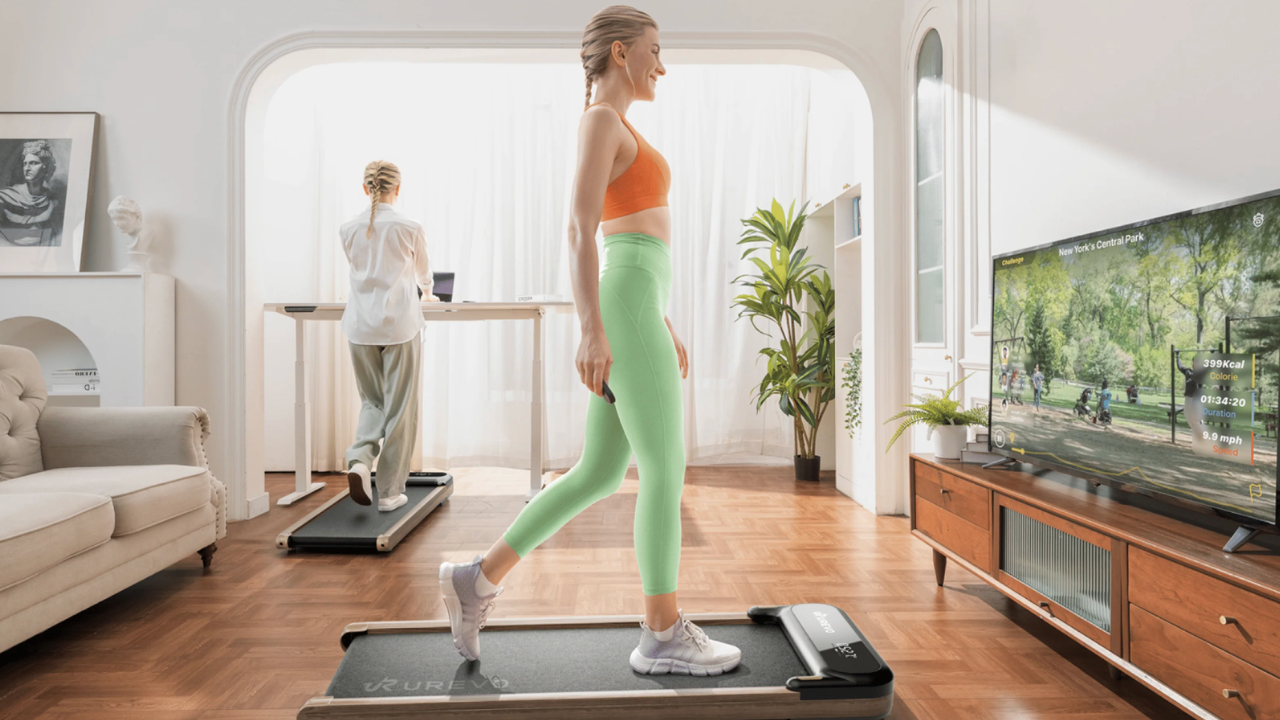
UREVO SpaceWalk E4W Walking Pad
There’s a particular kind of hesitation that shows up in shared spaces. It doesn’t come from a lack of discipline or intention. It comes from awareness—of the person below you, the quiet of the room, the way sound carries more than expected.
The idea of working out at home often assumes isolation. A spare room. A garage. Space to move without consequence.
Most people don’t have that.
What they have instead is a living room that doubles as everything, a schedule that doesn’t align with others, and a quiet understanding that noise—more than effort—is the real barrier.
The UREVO SpaceWalk E4W exists inside that reality.
Not as a performance machine, not as a replacement for a full treadmill, but as something more specific: a way to move without disrupting the space around you.
Quick Snapshot
- Noise Level: Ultra Quiet (for its category)
- Apartment Friendly: Yes
- Vibration Level: Very Low
- Best For: Walking, workday movement, shared living
For current pricing and availability, it’s best to refer directly to the official product site, as this can vary by region and retailer.
What It Feels Like to Use
The experience of using the SpaceWalk E4W is noticeably understated.
There’s no dramatic startup, no mechanical intensity, no sense that something large has just been switched on. Instead, the belt begins moving with a steady, almost muted rhythm. The motor hum stays low and consistent, blending into the background rather than announcing itself.
At walking pace, it doesn’t dominate the room.
That’s the defining characteristic.
It doesn’t try to replicate the feeling of a gym treadmill. It doesn’t push you into a workout mindset. It simply allows movement to happen alongside everything else—while working, while listening, while existing in the same space as other people.
And over time, that subtle difference becomes more important than performance.
Noise Experience
Noise, in this context, isn’t just about volume. It’s about presence.
The SpaceWalk E4W produces a soft, continuous motor tone—low enough that it doesn’t spike or fluctuate, which is often what makes machines feel louder than they actually are.
There’s no clatter, no mechanical clicking, no sudden shifts in sound. Just a steady hum that tends to stay contained within the immediate area.
In a typical apartment, that means:
- unlikely to carry through walls
- manageable during calls or conversations
- not intrusive in shared spaces
It’s not silent. Nothing with a motor ever is. But it avoids the kind of sharp or irregular noise that draws attention.
And that distinction is what makes it usable.
Vibration & Floor Impact
Where many machines fall short is not sound, but vibration.
Even quiet motors can transfer energy through the floor, especially in upstairs apartments.
The E4W handles this well, largely because of its design constraints. It operates at walking speeds only, which naturally reduces impact. There’s no running stride, no forceful foot strike, and no incline mechanism adding additional movement.
The result is a softer, more controlled interaction with the ground.
On hard flooring, there may still be a faint rhythmic presence—more felt than heard. But in most cases, adding a basic mat is enough to absorb what remains and make it suitable for shared environments.
It doesn’t eliminate vibration entirely, but it keeps it within a range that feels manageable.
Space & Integration
The physical footprint is where this type of machine quietly excels.
Low to the ground, slim in profile, and easy to slide out of view when not in use, the SpaceWalk E4W doesn’t demand a dedicated area. It adapts to the room rather than reshaping it.
That matters more than it seems.
Because the easier something is to access, the more likely it is to be used. And the less it disrupts a space visually, the less resistance there is to leaving it nearby.
It becomes part of the environment, not an intrusion into it.
Who It’s Best For
This kind of machine tends to work best for a very specific group of people.
Those who:
- live in apartments or shared homes
- are conscious of noise at certain hours
- want to move more without scheduling full workouts
- prefer consistency over intensity
It’s particularly well-suited to:
- remote workers
- early risers or late-night users
- anyone trying to stay active without drawing attention
There’s a certain practicality to it. A sense that it fits into real life rather than requiring life to adjust around it.
Where It Falls Short
The limitations are clear, and they’re part of the design.
This is not a machine built for intensity.
There’s no running mode. No sprint intervals. No aggressive incline. The speed range is intentionally capped to keep the experience smooth and controlled.
For someone looking to train at a higher level, it will feel restrictive.
It also sits firmly in the category of “quiet,” not “silent.” In very still environments, especially at night, the motor will still be noticeable. It just won’t dominate the space.
And because of its lighter build, it may not feel as grounded as heavier, more robust machines.
None of these are flaws. They’re trade-offs.
Key Features (That Matter Here)
- Low-speed motor design (1–6 km/h) → reduces strain and noise
- Compact, low-profile frame → easier to store and integrate
- No incline system → fewer moving parts, less vibration
- Walking-focused design → optimized for consistency, not performance
Pros & Cons
Pros
- very quiet and consistent sound profile
- minimal vibration compared to larger treadmills
- compact and easy to store
- well-suited for apartments and shared spaces
- easy to use regularly without friction
Cons
- not suitable for running or intense workouts
- limited speed range
- still audible in very quiet environments
- lighter build may feel less stable at higher speeds
How It Compares
Compared to traditional treadmills, the difference is immediate.
Where full treadmills prioritize performance, this prioritizes usability. Less power, less noise, less impact.
Compared to other walking pads, it leans toward simplicity. No aggressive features, no added complexity—just a smoother, quieter experience.
And in this category, that often matters more.
Final Take
What the SpaceWalk E4W does well isn’t obvious at first.
It doesn’t stand out through features or performance metrics. It stands out through absence—of noise, of disruption, of resistance.
It removes just enough friction to make movement feel possible.
Not in an ideal setup.
In a real one.
And for the kind of user it’s designed for, that’s usually enough.
Articles related to listings
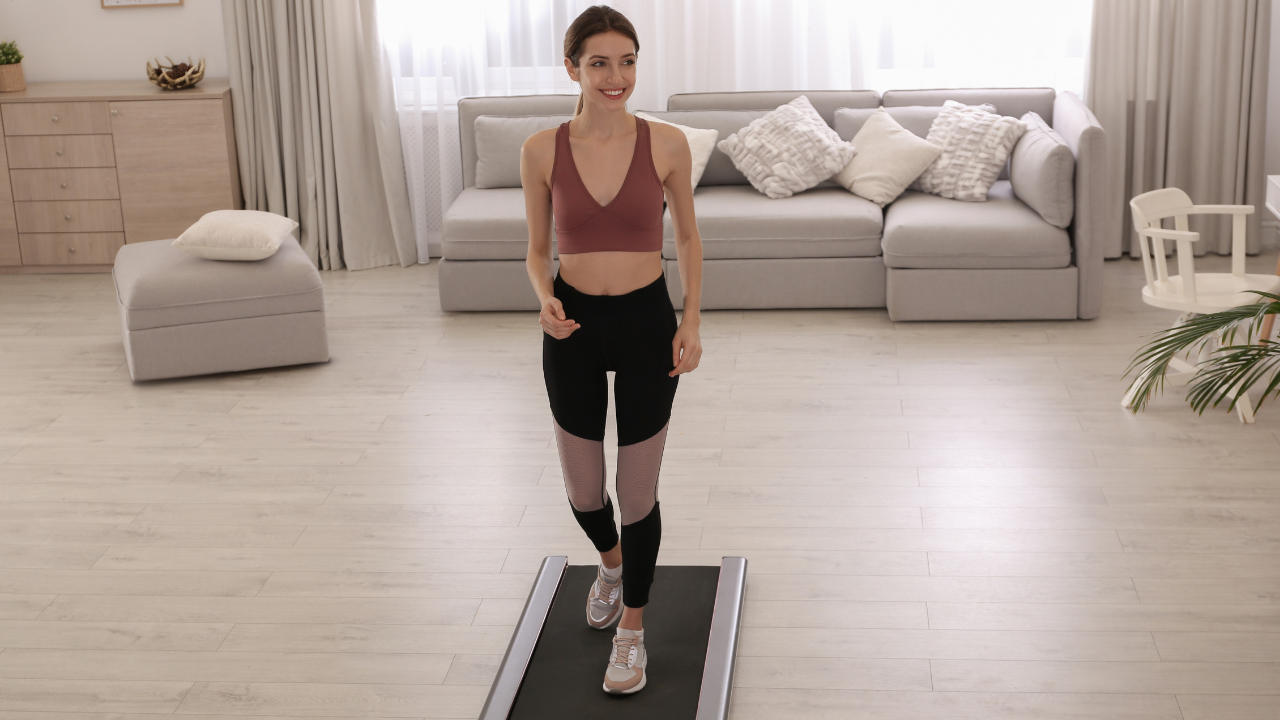
How Quiet Is a Walking Pad? What Noise Actually Feels Like in Real Life
Even the quietest walking pad still makes sound. There’s a motor running, a belt moving, and footsteps repeating in a steady rhythm. The difference is not whether noise exists—it’s how that noise behaves.

The Quietest Way to Exercise While Working From Home
“How do I move during the day without interrupting work, noise levels, or the people around me?” That question is what created an entirely different category of home cardio. Not performance-focused cardio. Quiet, integrated movement.
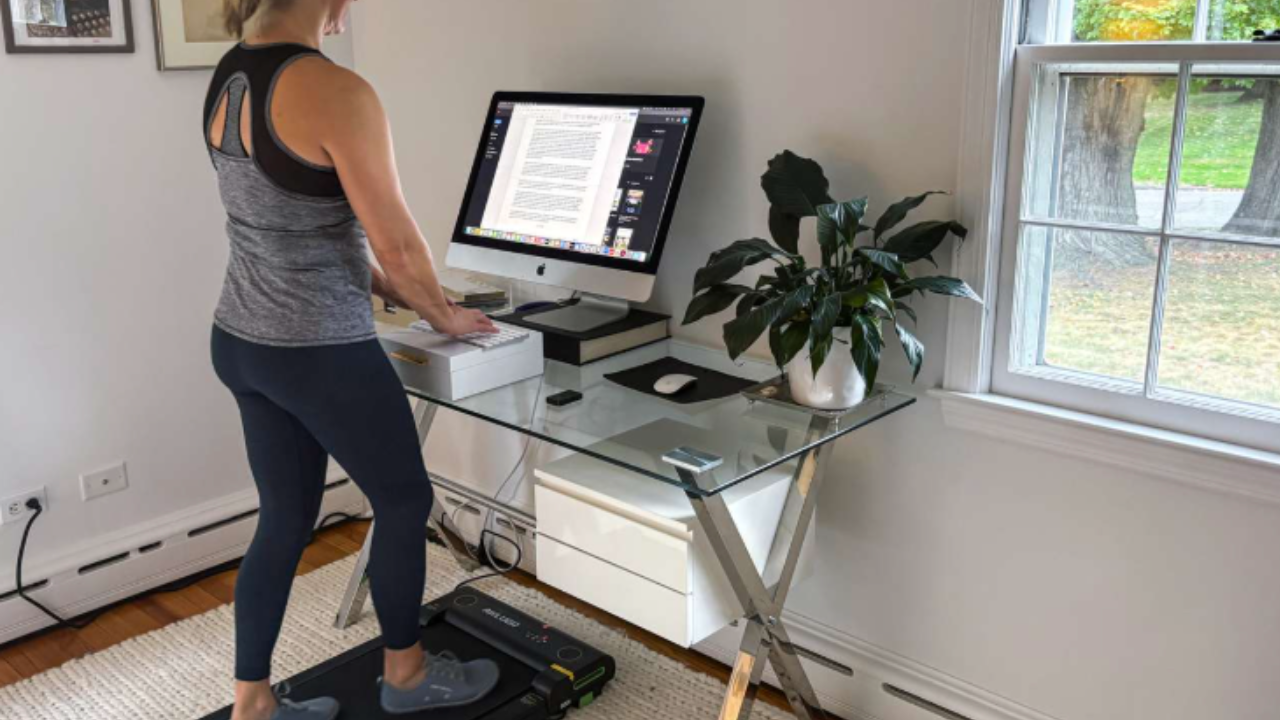
Are Walking Pads Actually Worth It for Apartment Living?
Thinking about buying a walking pad for your apartment? Learn the real pros, limitations, noise considerations, and whether walking pads are actually practical for small spaces and shared homes.
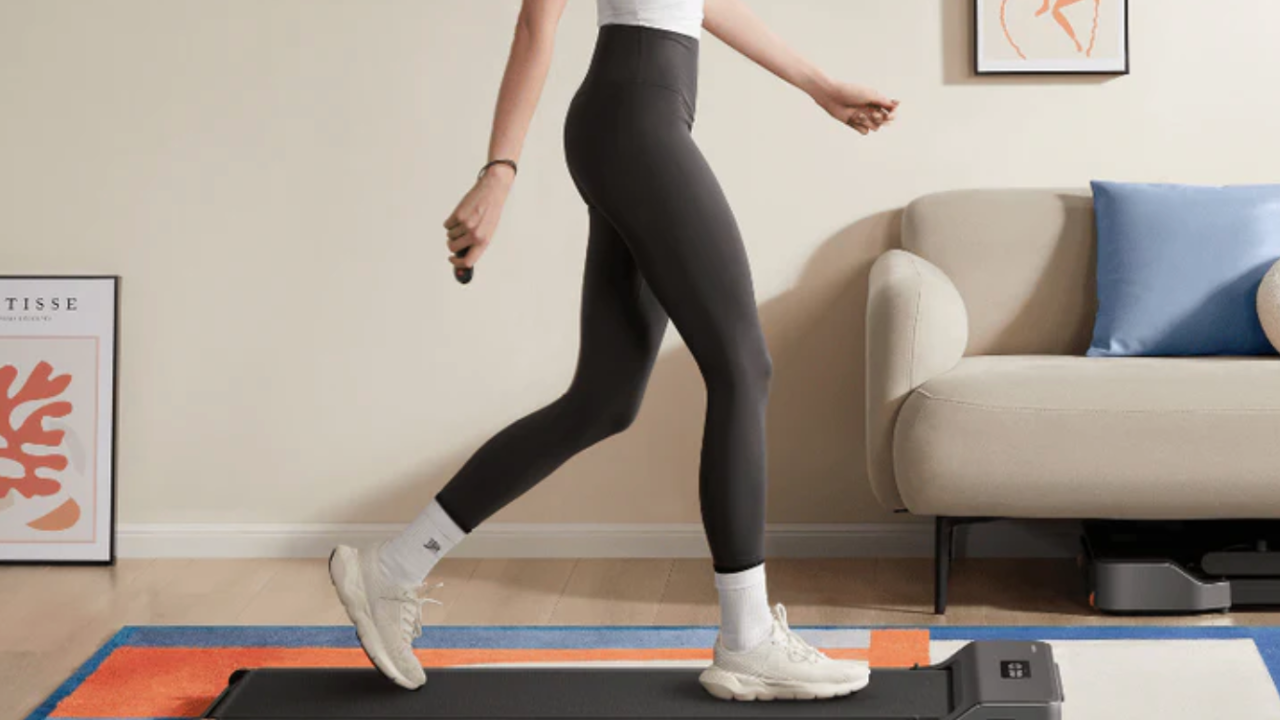
The Quietest Cardio Equipment for Early Morning Workouts
Need to work out before everyone wakes up? This guide explores the quietest cardio equipment for early morning apartment workouts, including walking pads, under-desk bikes, magnetic bikes, and low-impact cardio systems.
