For a lot of people, the interest in walking pads starts after a very ordinary moment.
Usually sometime in the afternoon.
You’ve been sitting too long, your body feels heavy in that specific work-from-home way, and you start thinking that moving more indoors should probably be easier than this. Not training. Not “getting in shape.” Just moving enough to feel normal again.
Then you start seeing walking pads everywhere.
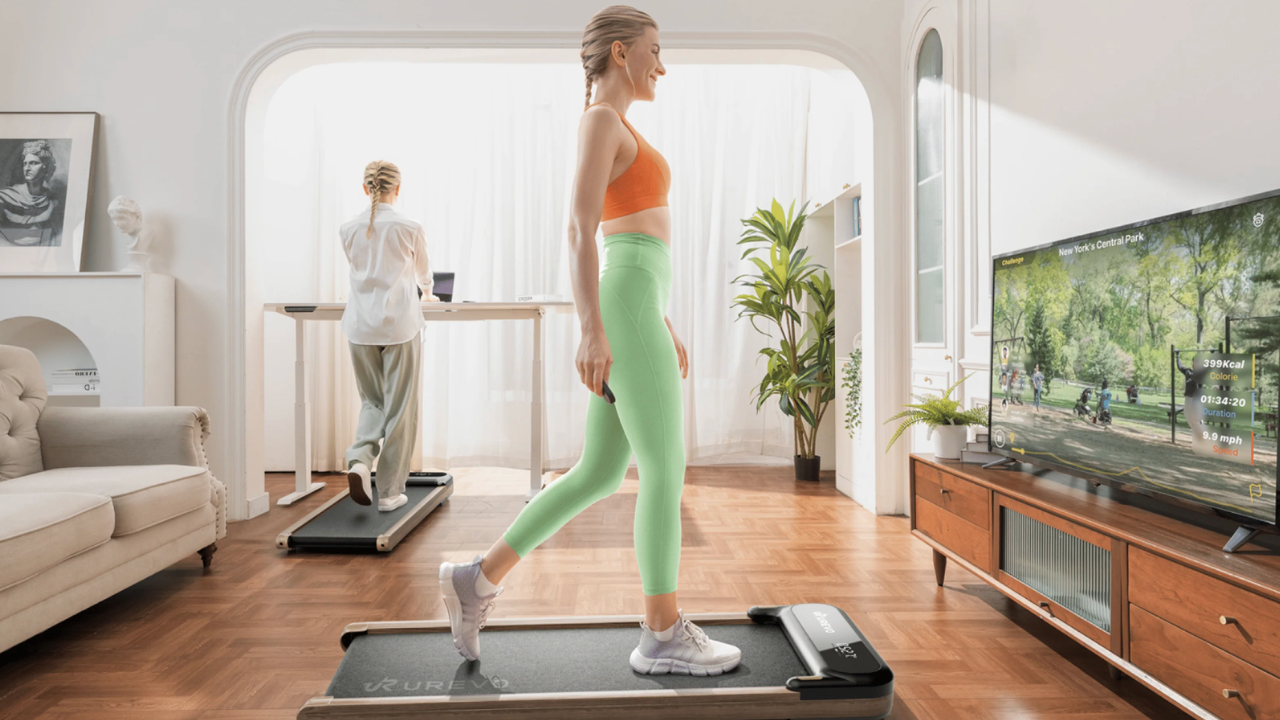
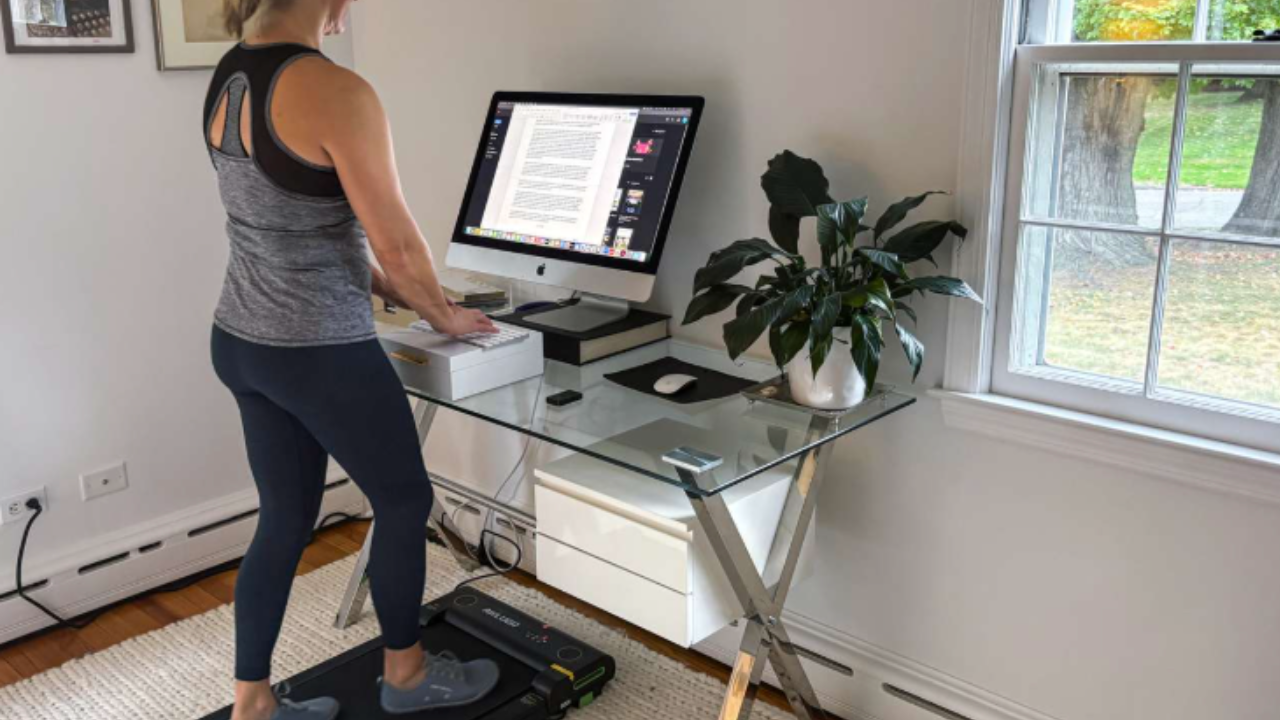
Under desks. In apartments. Folded under couches. Quiet enough for meetings, supposedly compact enough for small spaces, easy enough to use daily.
And the idea is appealing because it sounds realistic.
Not a full home gym. Not a massive lifestyle change. Just something simple enough to fit into ordinary life.
But once people actually start researching them, the same questions keep coming up:
- Are they genuinely quiet?
- Do they feel awkward to use?
- Are they effective enough to matter?
- Or do they end up becoming expensive floor decor after two weeks?
The answer depends less on the machine itself and more on what you expect it to solve.
QuietFit Lab uses affiliate links. If you buy through the links on this page, we may earn a small commission at no extra cost to you. This helps support the site and keeps our reviews independent.
Walking Pads Were Designed Around a Different Problem
Traditional cardio equipment is usually built around workouts.
Walking pads are built around inactivity.
That distinction changes everything about how they function.
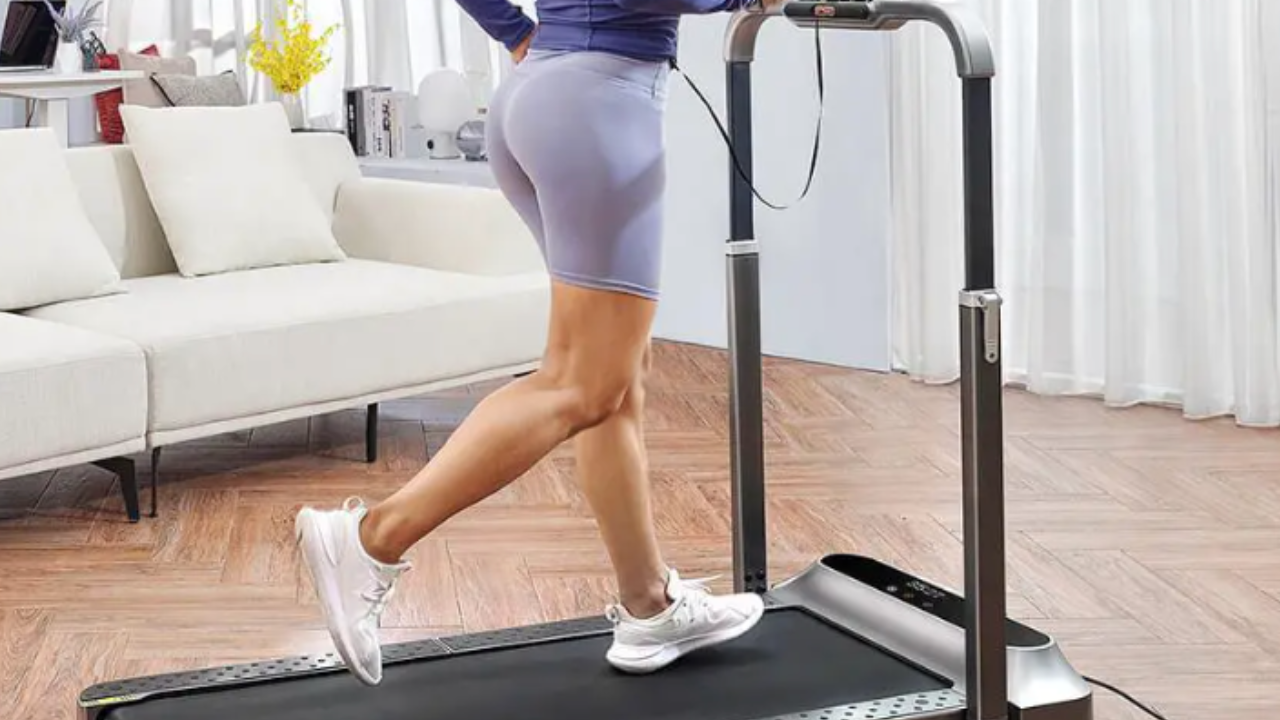
Machines like the UREVO Stroll 2E Pro and the WalkingPad R2 are not trying to replace running outdoors or high-intensity gym sessions.
They are trying to make movement possible inside environments where:
- people sit most of the day
- space is limited
- noise matters
- going outside isn’t always practical
That’s why the speeds are lower, the frames are smaller, and the movement feels more controlled.
The Biggest Benefit Is Consistency
Walking pads work best when they remove friction around movement.
That’s their real advantage.
Not calorie burn.
Not performance.
Not intensity.
Consistency.
When movement becomes easy to start, people tend to do it more often.
That can look like:
- walking during meetings
- slow movement while watching TV
- short walks between tasks
- replacing long sedentary stretches indoors
The reason walking pads became popular isn’t because they create elite workouts.
It’s because they lower the effort required to move at all.
They Feel Different Than Regular Treadmills
This surprises a lot of people initially.
Walking pads feel calmer than treadmills.
The movement is:
- slower
- more compact
- less aggressive physically
Some users love this immediately because it feels approachable. Others expect a gym-like experience and end up disappointed.
The important thing is understanding the category correctly.
Walking pads are closer to movement support systems than traditional fitness machines.
The Noise Question Matters More in Apartments
For apartment living, the biggest concern is usually sound.
The good news is that walking pads are significantly quieter than standard treadmills because:
- speeds stay lower
- there’s less impact
- motors are smaller
- running is usually discouraged entirely
But “quiet” is relative.
Even the quietest walking pad still creates:
- footsteps
- repetitive rhythm
- mild floor vibration
In daytime environments, this is often manageable. Late at night, it becomes more noticeable.
This is why expectations matter so much.
Walking pads reduce disruption. They do not eliminate it completely.
Why Some People End Up Using Them Constantly
The people who tend to love walking pads usually approach them casually.
They:
- stop obsessing over workouts
- use them in short bursts
- integrate movement naturally into the day
Instead of creating a separate fitness routine, the walking simply becomes part of the environment.
That’s where walking pads feel most valuable.
Especially during work-from-home days, the ability to move lightly without leaving the apartment changes how sedentary the day feels overall.
Why Other People Stop Using Them
Walking pads are not perfect for everyone.
The most common reasons people stop using them are surprisingly practical:
- limited floor space
- inconvenience of setup
- unrealistic expectations about multitasking
- underestimating how repetitive indoor walking feels
Some users also realize they prefer seated movement systems instead.
Machines like the Lifepro Flexstride or the Cubii Move create movement with far less room interaction overall.
For people prioritizing maximum quietness, seated systems often feel easier to sustain long term.
Walking While Working Is More Personal Than Advertisements Suggest
Some people adapt immediately to walking while working.
Others hate it.
Typing, concentration, and reading all feel slightly different while moving. Even slow walking changes posture and focus in subtle ways.
This is why walking pads work especially well for:
- calls
- passive meetings
- video watching
- low-focus tasks
…and less well for deep concentration work requiring stillness.
The idealized image of effortlessly walking through an eight-hour workday usually isn’t how people use them in real life.
Storage Matters More Than Most Buyers Expect
A walking pad can technically be compact and still feel intrusive in a small apartment.
The machines that work best long term are usually the ones that:
- store easily
- move easily
- don’t permanently dominate the room
This is one reason foldable systems like the WalkingPad R2 became popular.
The ability to reclaim the room afterward matters psychologically.
People don’t want their apartment to feel like a gym permanently took over the space.
The Best Walking Pad Users Usually Don’t Overuse Them
This is another interesting pattern.
Walking pads tend to work best when treated casually rather than aggressively.
The people who stay consistent often use them:
- lightly
- frequently
- without pressure
The machine becomes less about structured fitness and more about reducing long sedentary stretches.
That softer relationship with movement is part of why walking pads feel sustainable for many apartment dwellers.
They’re Not Replacements for Everything
Walking pads solve a very specific problem:
making indoor movement easier in constrained environments
They do not fully replace:
- outdoor walking
- strength training
- high-intensity cardio
- natural variation in terrain and movement
But they were never designed to.
Their value comes from accessibility and consistency, not completeness.
Why Apartment Living Changed Fitness Equipment
Walking pads reflect a larger shift happening in home fitness.
People increasingly need equipment that:
- fits small spaces
- coexists with work and daily life
- creates less disruption
- feels approachable to use regularly
The old model of building dedicated home gyms doesn’t fit how many people live anymore.
Walking pads succeed because they acknowledge that reality directly.
What Actually Makes Them Worth It
A walking pad becomes worth it when:
- you genuinely use it regularly
- it lowers sedentary time noticeably
- it fits naturally into your apartment
- it doesn’t create stress around noise or storage
That’s it.
Not every buyer needs one. But for the right environment and expectations, they can solve a very real daily friction point.
Final Perspective
Walking pads are not revolutionary because they create intense workouts.
They’re useful because they make movement feel possible inside environments where traditional cardio equipment often feels impractical.
For apartment living, that practicality matters more than most marketing claims.
Bottom Line
Walking pads are worth it for apartment living when the goal is consistent, low-friction movement rather than high-performance training.
The best walking pads don’t transform your life overnight.
They simply make it easier to move in spaces where movement would otherwise be easy to avoid.