Last updated: August 2026. Written for readers in apartments, flats and shared homes.
Apartment workouts are different from regular home workouts.
Not because people in apartments care less about fitness, but because the environment changes the rules completely. Sound travels differently. Floors carry vibration. Space overlaps. A living room might also function as an office, dining area, and shared common space all at once.
That changes what “good workout equipment” actually means.
The best apartment cardio machine is rarely the fastest, most powerful, or most intense.
It’s usually the one that:
- fits naturally into the room
- creates manageable noise
- doesn’t disrupt the people around you
- feels realistic to use consistently
That last part matters more than most specifications.
A machine that technically delivers a great workout but feels too intrusive often ends up unused. The quieter, simpler systems are usually the ones that become part of everyday life.
QuietFit Lab uses affiliate links. If you buy through the links on this page, we may earn a small commission at no extra cost to you. This helps support the site and keeps our reviews independent.
At-a-glance comparison
| Machine type | Noise level | Best for | Space needed | Our top pick |
|---|---|---|---|---|
| Walking pad | Low-medium | Working while walking | Medium | WalkingPad R2 |
| Under-desk bike | Very low | Silent workday cardio | Very small | DeskCycle 2 |
| Under-desk elliptical | Very low | All-day seated movement | Very small | Cubii Move |
| Magnetic recumbent | Very low | Structured cardio for seniors | Medium | Sunny 16-Level Recumbent |
| Mini stepper | Medium | Short bursts in tiny spaces | Very small | MERACH Mini Stepper |
Why Apartment Cardio Requires a Different Approach
Traditional cardio equipment was designed around dedicated workout environments.
Gyms absorb noise naturally because everyone expects movement. Detached homes provide more separation between rooms. Apartment living removes both of those buffers.
Now the workout shares space with:
- neighbors
- roommates
- children sleeping
- work calls
- thin walls and flooring
This changes the goal. This matters especially in UK flats and terraced houses, where floor structures are often lightweight timber and shared walls transmit low-frequency vibration downward. What sounds like a mild hum to you can sound like a persistent drum to the neighbour below. The best apartment cardio machines are the ones designed with that reality in mind — seated positions, magnetic resistance, and low centres of gravity that keep vibration from travelling through floorboards.
Instead of asking:
What’s the hardest workout I can do?
Apartment users often ask:
What movement can I realistically maintain here?
That shift changes which machines actually work well long term.
What Makes Cardio Equipment Apartment-Friendly
Quiet cardio equipment usually shares a few characteristics:
Low impact
Less force transferring into floors.
Controlled movement
Steady rhythms instead of sudden motion.
Predictable sound
Consistent hums feel less disruptive than irregular noises.
Compact design
Machines that integrate into smaller rooms more naturally.
The combination matters more than any single specification.
1. Walking Pads
Best For:
- natural movement indoors
- work-from-home walking
- apartment-friendly step accumulation
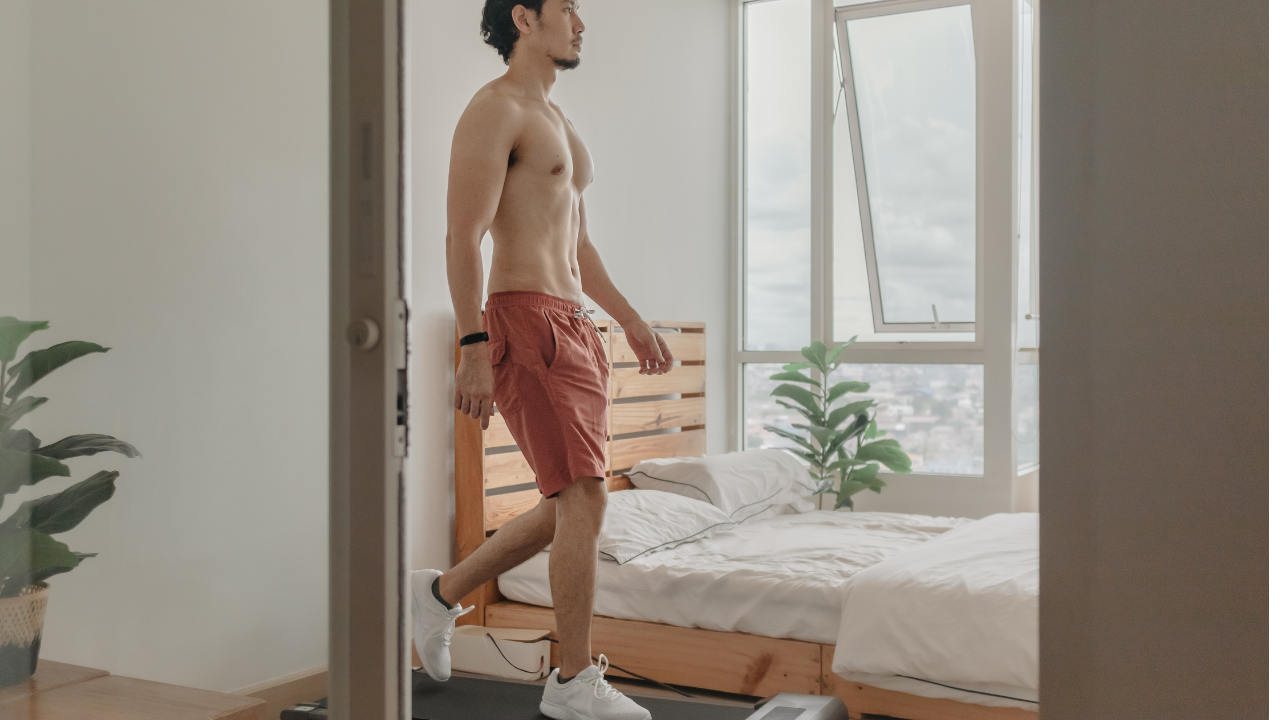
Walking pads became popular because they solve a practical problem: how to move more indoors without needing a full treadmill setup.
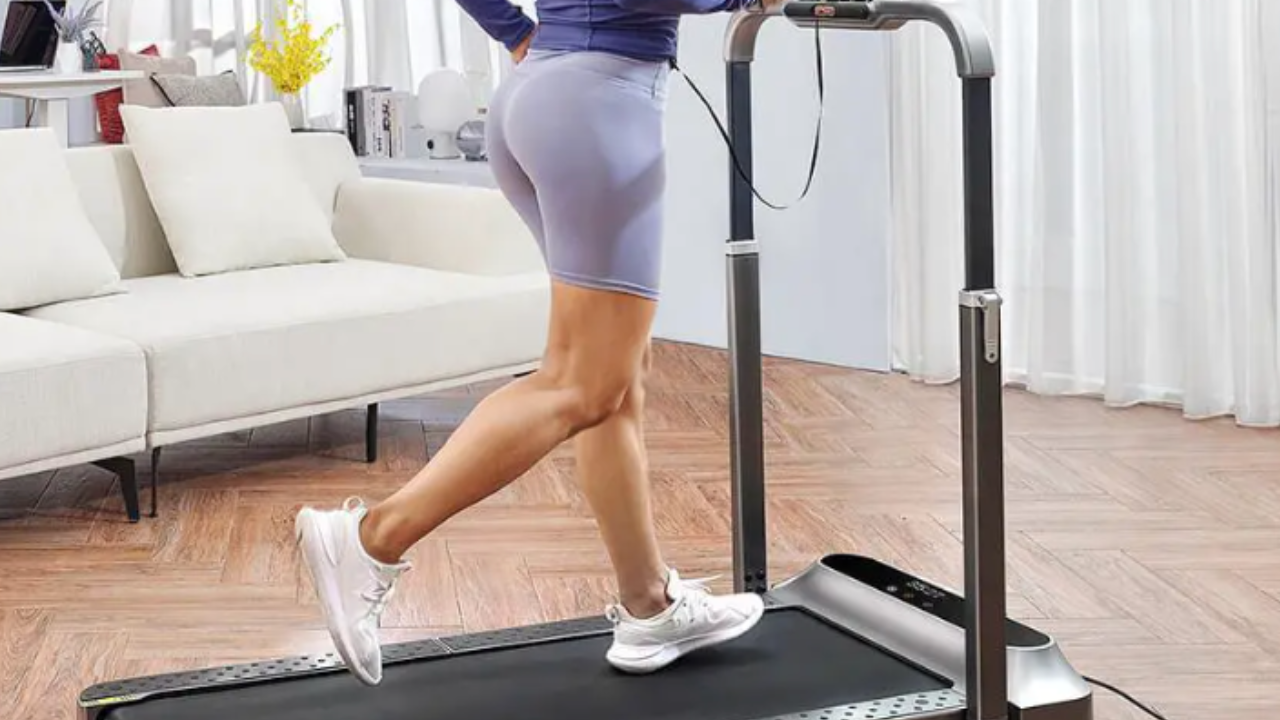
Machines like the UREVO Strol 2E Pro and the WalkingPad R2 focus on controlled walking rather than running.
That distinction matters.
Walking produces:
- less impact
- lower vibration
- softer sound profiles
Compared to traditional treadmills, walking pads feel calmer and more contained in shared spaces.
The trade-off is that they are still noticeable. Footsteps remain part of the experience, especially on harder flooring or at faster walking speeds.
For many apartment users, though, walking pads offer the best balance between:
- movement quality
- realistic usability
- manageable noise
2. Under-Desk Bikes
Best For:
- ultra-quiet movement
- focused workdays
- shared rooms and offices
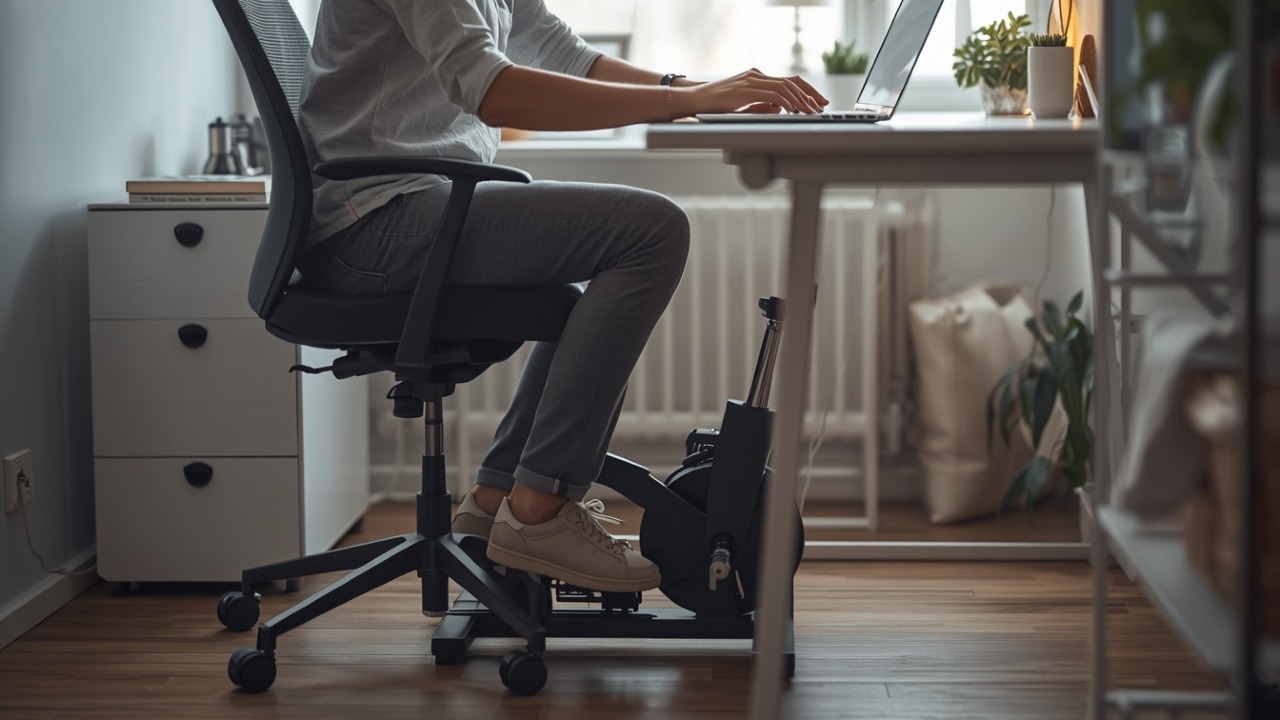
Under-desk bikes are often the quietest category of apartment cardio equipment overall.
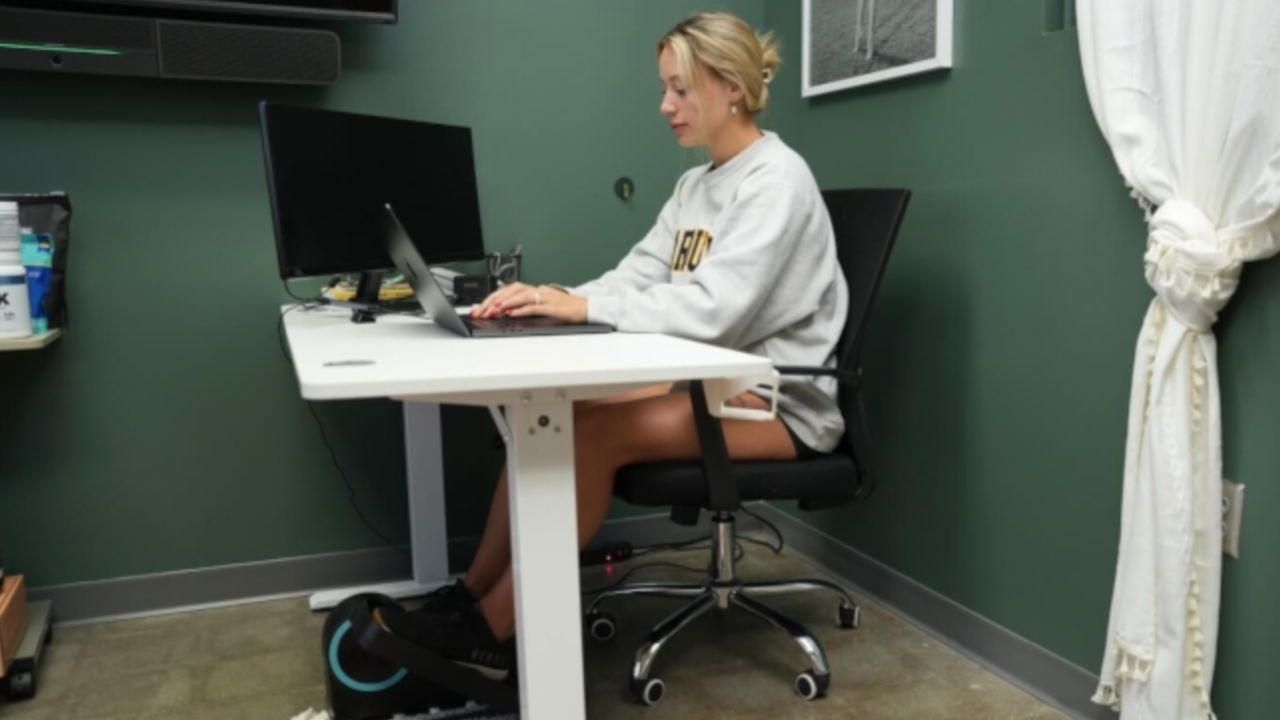
Machines like the DeskCycle 2 remove the biggest source of apartment workout noise entirely:
Impact.
Because your feet stay on the pedals:
- there are no footsteps
- almost no vibration transfer
- minimal sound outside the immediate area
This makes them ideal for:
- shared apartments
- quiet work environments
- small offices
The movement feels subtler than walking, but that subtlety is exactly what makes these machines sustainable in noise-sensitive environments.
3. Under-Desk Ellipticals
Best For:
- smoother seated movement
- low-disruption cardio
- all-day motion while working
The Cubii Move sits somewhere between cycling and walking.
Instead of circular bike pedals, elliptical movement creates a smoother, gliding rhythm.
For many people, this feels:
- more natural over long periods
- easier on joints
- slightly more engaging than seated cycling
Noise levels remain extremely controlled because:
- movement stays seated
- no impact hits the floor
- motion remains compact
These systems are not built for intense workouts. They are designed to reduce sedentary time quietly and consistently.
4. Magnetic Resistance Bikes
Best For:
- structured cardio sessions
- low-noise apartment workouts
- longer indoor exercise sessions
Magnetic resistance bikes solve apartment cardio differently.
Instead of minimizing movement completely, they focus on minimizing mechanical noise.
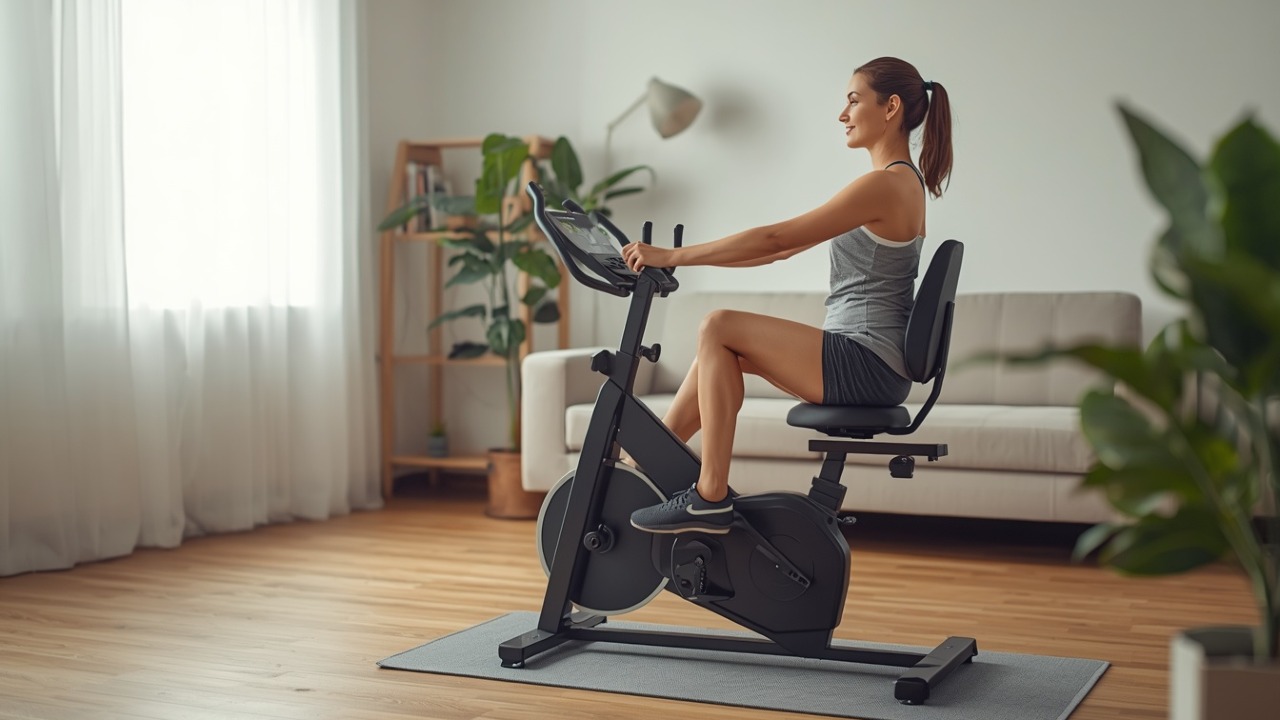
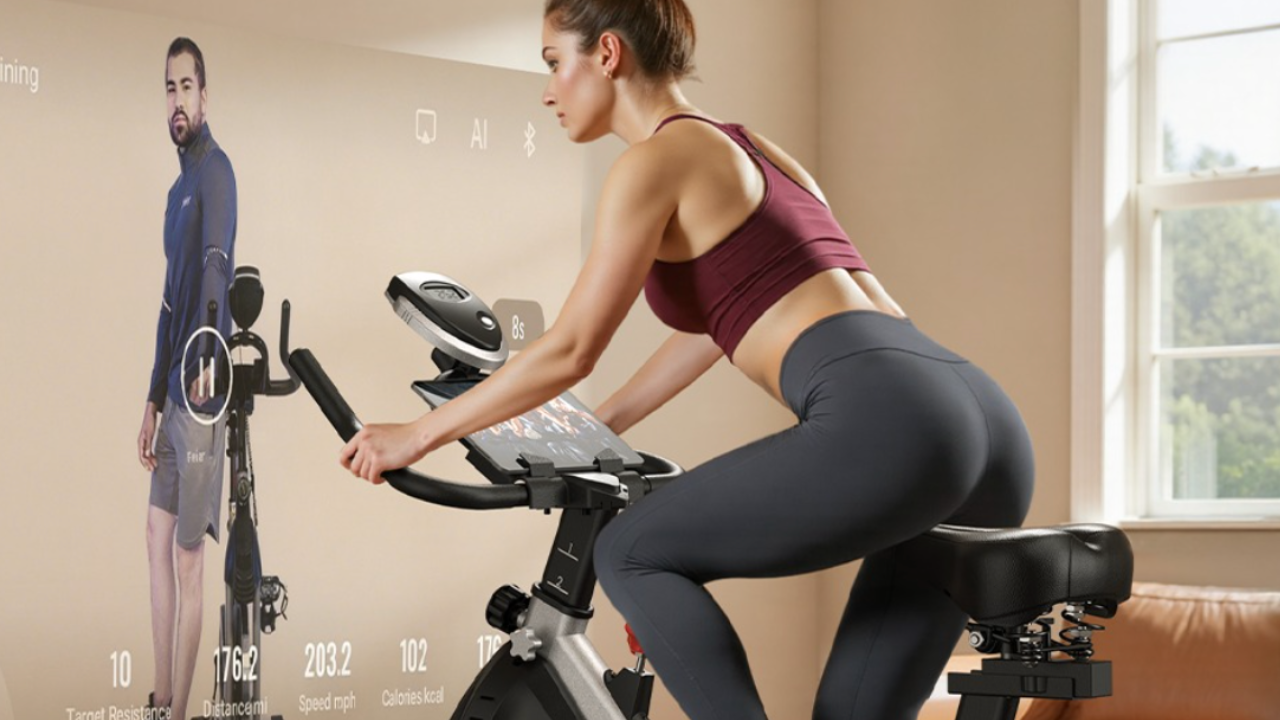
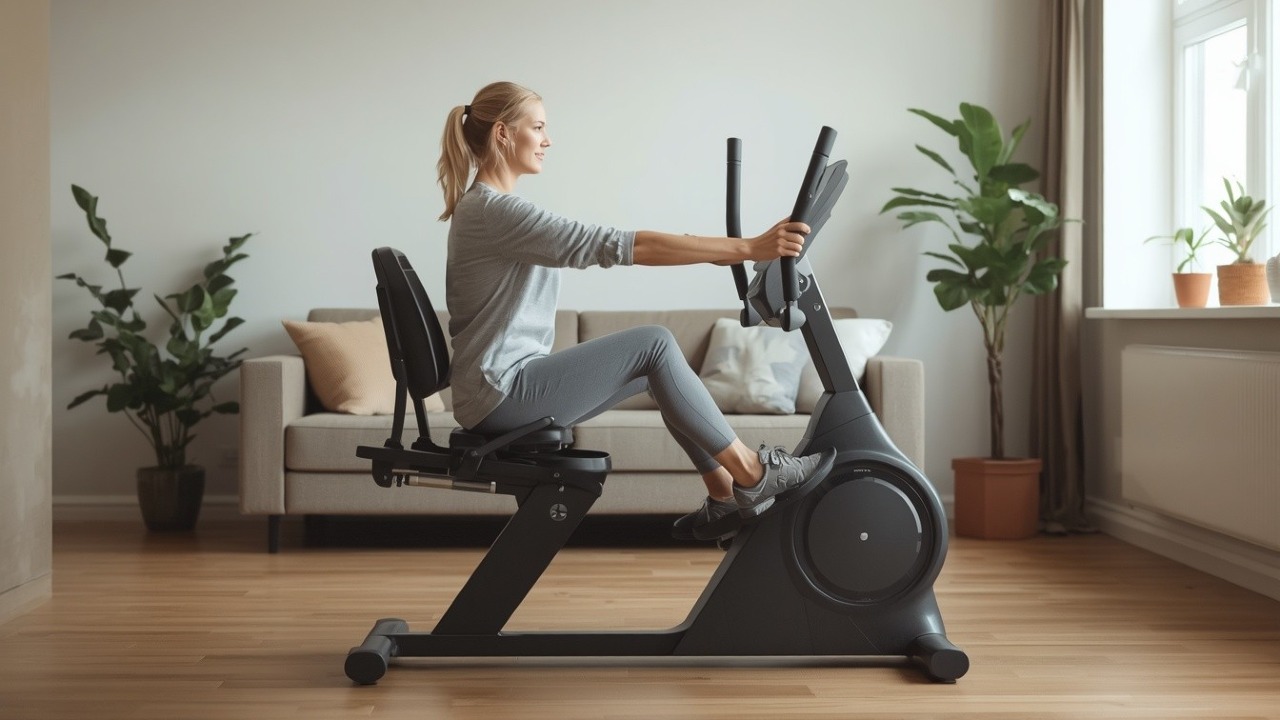
Machines like the YOSUDA Magnetic Exercise Bike and the Sunny Magnetic Recumbent Bike use magnetic resistance systems that avoid the rubbing sounds found in friction bikes.
The result is:
- smoother operation
- more stable sound
- lower maintenance noise over time
Compared to walking pads:
- quieter mechanically
- less floor impact
- more visually noticeable in the room
For apartment users who still want structured cardio workouts, magnetic bikes often become the best compromise.
5. Mini Steppers
Best For:
- short workouts
- compact apartments
- quick bursts of movement
Mini steppers like the MERACH Mini Stepper create cardio through vertical stepping motion.
Their biggest advantage is size.
They:
- store easily
- fit in small spaces
- create fast workouts in short time windows
But they are also more noticeable acoustically than seated systems.
Stepping introduces:
- repeated weight shifts
- floor interaction
- more visible body movement
They still remain quieter than jumping or running workouts, but they are usually best suited for daytime use rather than late-night apartment cardio.
Why Noise Is Only Part of the Equation
A machine can technically be quiet and still feel disruptive.
What people respond to most in apartments is often:
- repetition
- vibration
- unpredictability
A stable, low-level hum tends to disappear into the background over time.
Irregular movement or sudden noises feel much more intrusive.
This is why smoother systems—especially magnetic and seated systems—tend to feel easier to live alongside.
The Best Apartment Cardio Usually Looks Different Than Gym Cardio
One of the biggest mindset shifts is understanding that apartment fitness rewards consistency over intensity.
Quiet cardio systems are not always designed to maximize:
- speed
- resistance
- calorie burn per minute
They are designed to maximize:
- usability
- frequency
- integration into daily life
That often creates better long-term movement habits than high-intensity systems people avoid using.
What Actually Works Long Term
The most successful apartment workout setups are usually the least dramatic ones.
People tend to stick with movement systems that:
- don’t create stress in the room
- don’t require major setup
- don’t disturb other people
- feel easy to start
That’s why quieter machines continue growing in popularity.
They reduce both physical and psychological friction.
How to Choose the Right Quiet Cardio Machine
Choose a walking pad if:
- you want natural movement
- you enjoy walking while working or watching content
- moderate sound is acceptable
Choose an under-desk bike if:
- quietness matters most
- you work seated for long hours
- you need minimal disruption
Choose a magnetic bike if:
- you want more structured workouts
- you can dedicate space to exercise
- you still need apartment-friendly sound levels
Choose a stepper if:
- space is extremely limited
- workouts are short and intentional
- you don’t mind slightly more noticeable movement
Final Perspective
Quiet cardio equipment succeeds because it adapts to the realities of modern living.
Most people are no longer building isolated home gyms. They are trying to create movement inside environments already shared with work, family, roommates, and everyday life.
The best apartment cardio machine is usually not the most powerful.
It’s the one that fits into the room naturally enough to keep using regularly.
Bottom Line
Walking pads, under-desk bikes, magnetic resistance bikes, and compact steppers all solve apartment cardio differently.
The right choice depends on:
- how much sound your space can tolerate
- how much movement you want
- how naturally the equipment fits into your daily routine
Because in shared spaces, usability matters just as much as performance.
Rowers sit outside the five categories above, but they solve the same problem seated and without floor impact — the options are on the quiet active cardio machines page.
Frequently asked questions
What's the quietest cardio machine for an upstairs flat?
Under-desk bikes and under-desk ellipticals are typically the quietest because they eliminate floor impact entirely. If you need proper cardio rather than gentle movement, a magnetic recumbent bike like the Sunny 16-Level offers the best balance of low noise and structured workouts.
Will a walking pad annoy my downstairs neighbour?
Walking pads produce more vibration than seated machines because of the repeated foot impact. On lightweight timber floors typical of UK flats, this can be audible below. Slow walking (3–4 km/h) on a thick rubber mat significantly reduces the effect. If in doubt, the WalkingPad R2 is one of the quieter models on the market thanks to its brushless motor.
Are magnetic resistance bikes really silent?
Not completely silent, but very close. Magnetic resistance means no belt or friction pad, so the only sound comes from the pedal bearings and your own breathing. In practical terms, you can watch TV at normal volume in the same room without difficulty.
What's the best cardio machine for seniors in a small flat?
A recumbent magnetic bike is usually the best fit — it's seated (so easier on knees and hips), silent, and takes up less floor space than an upright bike or treadmill. See our full Sunny 16-Level recumbent review for one strong option.
Do I need a floor mat under my cardio machine?
For walking pads and steppers, yes — a 5–10 mm rubber mat reduces both vibration transmission to the floor and equipment sliding. For seated machines like recumbent bikes, a mat is optional but still helps protect flooring from indentation and dust build-up.