Two exercise bikes can look almost identical and sound completely different once you start pedaling.
That difference usually comes down to one thing:
how the resistance is created.
Most people shopping for home cardio equipment focus on size, price, or calories burned. But in apartments and shared spaces, resistance systems matter just as much as the workout itself because they directly affect sound, vibration, and long-term usability.
This is one reason some bikes end up becoming part of a daily routine while others slowly disappear into corners or storage rooms. One feels easy to live with. The other constantly reminds everyone in the room that it’s there.
Understanding the difference between magnetic resistance and friction resistance changes how you evaluate indoor bikes entirely.
QuietFit Lab uses affiliate links. If you buy through the links on this page, we may earn a small commission at no extra cost to you. This helps support the site and keeps our reviews independent.
What Resistance Actually Means
Resistance is simply the force working against your pedaling.
Without resistance, the pedals would spin freely with almost no effort. The bike creates challenge by adding controlled tension to that movement.
The two most common systems do this differently:
- friction resistance
- magnetic resistance
Both create indoor cycling. But they create very different experiences acoustically.
How Friction Resistance Works
Friction bikes use physical contact.
Typically, a felt or fabric pad presses directly against the flywheel to create resistance. As you increase intensity, more pressure is applied.
This system is simple and widely used in older or lower-cost indoor bikes.
The downside is that physical contact naturally creates:
- rubbing sounds
- gradual wear
- more maintenance over time
At first, many friction bikes feel relatively controlled. But as the system ages, small sounds become more noticeable:
- squeaking
- uneven rubbing
- changes in resistance smoothness
None of this necessarily makes the bike unusable. But in quieter apartments, even minor mechanical inconsistencies become easier to notice.
How Magnetic Resistance Works
Magnetic systems work differently.
Instead of touching the flywheel directly, magnets create resistance through proximity. The flywheel continues spinning without friction pads pressing against it.
This changes the entire sound profile of the bike.
You remove:
- rubbing contact
- friction wear sounds
- many of the small mechanical inconsistencies that develop over time
The result is smoother and more controlled.
This is why magnetic resistance bikes are now heavily associated with:
- apartment cardio
- home offices
- quiet indoor training
The sound becomes less about the machine struggling and more about steady rotational movement.
Why Magnetic Bikes Feel More “Contained”
In shared spaces, consistency matters more than raw volume.
A sudden squeak or uneven friction sound tends to feel more disruptive than a steady low hum.
Magnetic bikes create a more stable rhythm:
- smoother pedaling
- fewer abrupt sound changes
- less variation during longer sessions
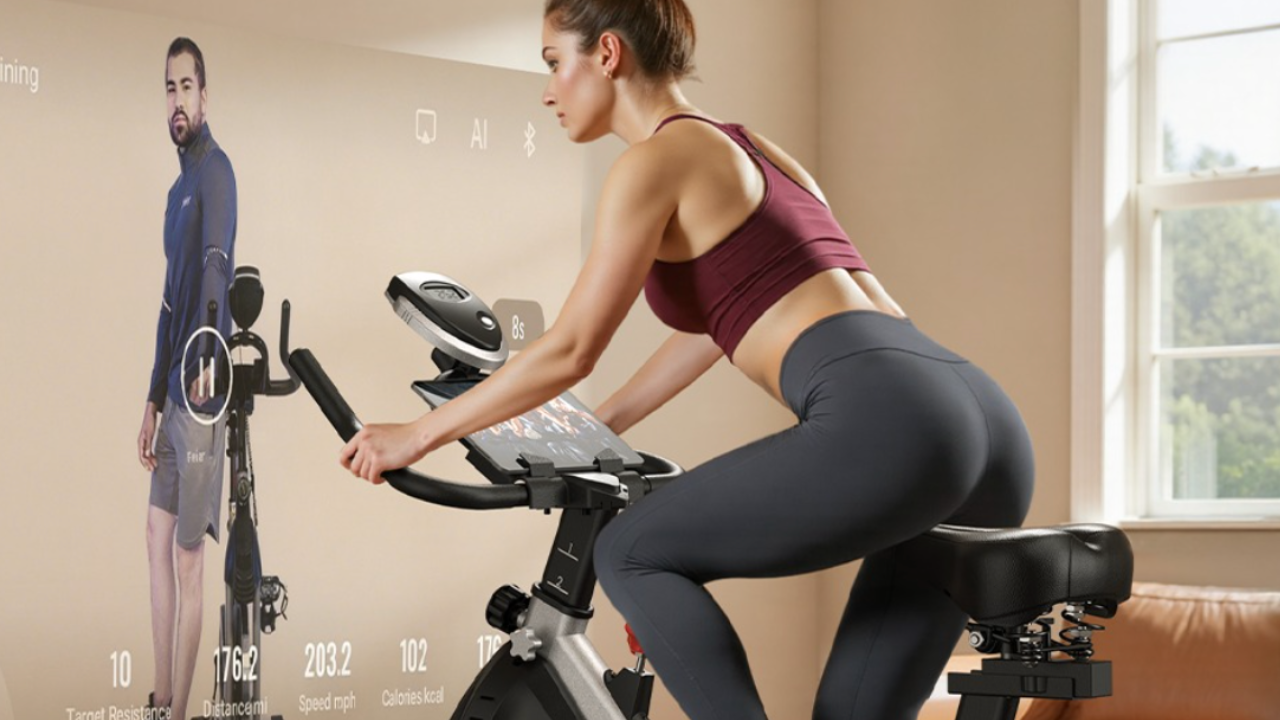
Machines like the YOSUDA Magnetic Exercise Bike are popular partly because they maintain that consistency even during sustained use.
The bike doesn’t disappear completely, but it stops demanding attention from the room around it.
The Sound Difference in Real Life
This is where specifications stop helping and actual experience matters more.
Friction bikes tend to sound:
- slightly rougher
- more mechanical
- more noticeable during resistance changes
Magnetic bikes tend to sound:
- smoother
- lower-frequency
- more stable over time
The difference is subtle in noisy environments and much more obvious in apartments.
Especially at night or during quiet hours, smoother sound profiles feel easier to coexist with.
Why Apartments Expose Small Problems Faster
Shared spaces amplify small annoyances.
A tiny squeak that wouldn’t matter in a garage gym suddenly feels much larger when:
- someone is working nearby
- walls are thin
- the room is otherwise quiet
This is why many apartment-focused buyers end up prioritizing magnetic systems even if the workout itself feels similar.
They’re not just buying cardio. They’re buying coexistence.
The Role of Vibration
Noise is only part of the equation.
Movement transfer matters too.
Because magnetic bikes operate more smoothly, they often produce:
- less frame vibration
- fewer abrupt resistance shifts
- steadier movement patterns
This doesn’t eliminate floor vibration completely, but it reduces the “jerky” feeling that some cheaper bikes create.
In upstairs apartments, smoother movement often matters just as much as lower sound.
Why Under-Desk Bikes Became So Quiet
Under-desk bikes take the magnetic concept even further.
Machines like the DeskCycle 2 are designed around:
- low-force pedaling
- compact flywheels
- extremely controlled movement
Because the movement is smaller and seated, the overall sound becomes much easier to contain.
These systems are not trying to replicate gym cycling. They are optimizing for quiet integration into everyday life.
That changes everything about how they feel in shared environments.
What You Trade Off With Magnetic Systems
Quietness usually comes with a different type of workout experience.
Magnetic bikes often feel:
- smoother
- less aggressive
- more controlled
For many people, this is a benefit. But some users prefer the more raw, immediate feel of friction systems.
Friction resistance can feel:
- heavier
- more direct
- more intense at certain levels
This is why some studio-style spin bikes still use friction systems intentionally.
The trade-off is simply that they fit shared living environments less comfortably.
Why Recumbent Bikes Often Feel Even Quieter
Recumbent bikes introduce another layer: body position.
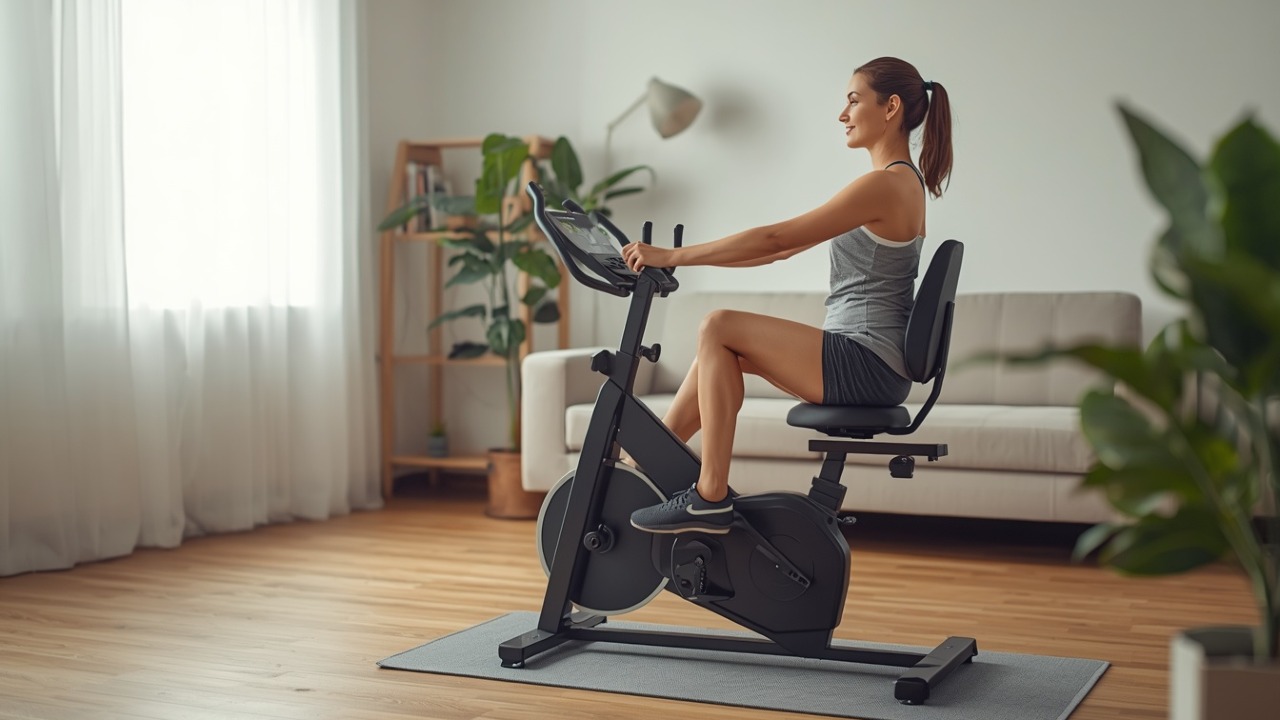
Machines like this magnetic resistance recumbent bike place the user in a reclined seated posture with:
- reduced upper-body movement
- lower center of gravity
- steadier pedaling rhythm
This often reduces:
- shifting weight
- side-to-side frame motion
- vibration transfer into floors
The result feels calmer overall.
For apartments or multi-person homes, this can make recumbent bikes one of the easiest forms of structured cardio to live alongside.
Why Noise Changes Motivation
This part is rarely discussed directly, but it matters.
People use equipment more when they don’t feel self-conscious about it.
If every workout creates concern about:
- disturbing neighbors
- bothering roommates
- interrupting the room
…friction builds mentally, not just mechanically.
Quiet systems reduce that hesitation.
The easier a machine feels to coexist with, the easier it becomes to use consistently.
What Actually Matters Before Buying
For shared spaces, the most important factors are usually:
- magnetic resistance system
- stable frame
- smooth pedal motion
- low vibration transfer
- realistic use expectations
Not every quiet bike needs to be premium. But the resistance system changes the baseline experience significantly.
The Bigger Shift Happening in Home Fitness
There’s a broader reason magnetic systems became dominant in apartment-friendly cardio.
Home fitness used to revolve around intensity and performance.
Now it increasingly revolves around:
- flexibility
- coexistence
- sustainability inside everyday life
People are not just building home gyms anymore. They are trying to fit movement into environments that were never designed around exercise.
Quiet systems succeed because they adapt to the environment instead of fighting it.
Final Perspective
The difference between magnetic and friction resistance is not only technical.
It changes:
- how the bike sounds
- how the room feels during use
- how easy the machine is to live with long term
In shared spaces, those differences become impossible to ignore over time.
Bottom Line
Magnetic resistance bikes feel quieter because they remove direct contact from the resistance system, creating smoother movement and more consistent sound.
For apartment living, shared homes, and work-from-home environments, that smoother experience often matters more than maximum intensity.
The best indoor bike is rarely the loudest or most aggressive.
It’s the one you can use regularly without feeling like the entire room has to adapt around it.