Working from home changed the way people think about movement.
Not necessarily because people suddenly became more interested in fitness, but because the structure around movement disappeared. Walking to transit, moving between meetings, leaving the house for lunch—small forms of daily activity quietly disappeared from many routines without being replaced by anything else.
At the same time, home became more crowded with overlapping functions.
The same room started becoming:
- an office
- a living room
- a workspace
- a shared environment
So the challenge shifted.
It was no longer:
“How do I exercise at home?”
It became:
“How do I move during the day without interrupting work, noise levels, or the people around me?”
That question is what created an entirely different category of home cardio.
Not performance-focused cardio. Quiet, integrated movement.
Disclosure: QuietFit Lab is a participant in the Amazon Services LLC Associates Program. Some links on this page are affiliate links, and we may earn a commission on qualifying purchases at no additional cost to you.
Why Traditional Workouts Often Fail During the Workday
The issue is rarely motivation alone.
Most traditional workouts create too much separation from the workday itself.
You have to:
- stop working completely
- change environments mentally
- create enough time and space for exercise
For many people, that separation becomes difficult to sustain consistently.
Especially in shared homes or apartments, workouts can feel disruptive in the middle of the day.
There’s noise. Movement. Equipment taking over the room.
So movement gets pushed later and later until it disappears altogether.
The Rise of “Invisible Cardio”
A different approach started emerging quietly.
Instead of treating exercise as a separate event, people started integrating low-impact movement into existing routines:
- walking during calls
- pedaling while answering emails
- moving without leaving the workspace entirely
This created what could be called invisible cardio.
Movement that exists in the background instead of demanding full attention.
The goal shifts from:
- intensity
to: - continuity
That difference changes which machines actually work well from home.
Why Quietness Matters More During Work Hours
During a workout, some noise feels expected.
During work, noise feels different.
People are:
- on calls
- concentrating
- sharing space with others working nearby
Even moderate sound becomes distracting when it repeats for hours.
This is why many traditional cardio machines fail in work-from-home environments. They may technically fit in the room, but they interrupt the tone of the day too much to use regularly.
Quiet movement systems succeed because they reduce that interruption.
Under-Desk Bikes: The Lowest-Disruption Option
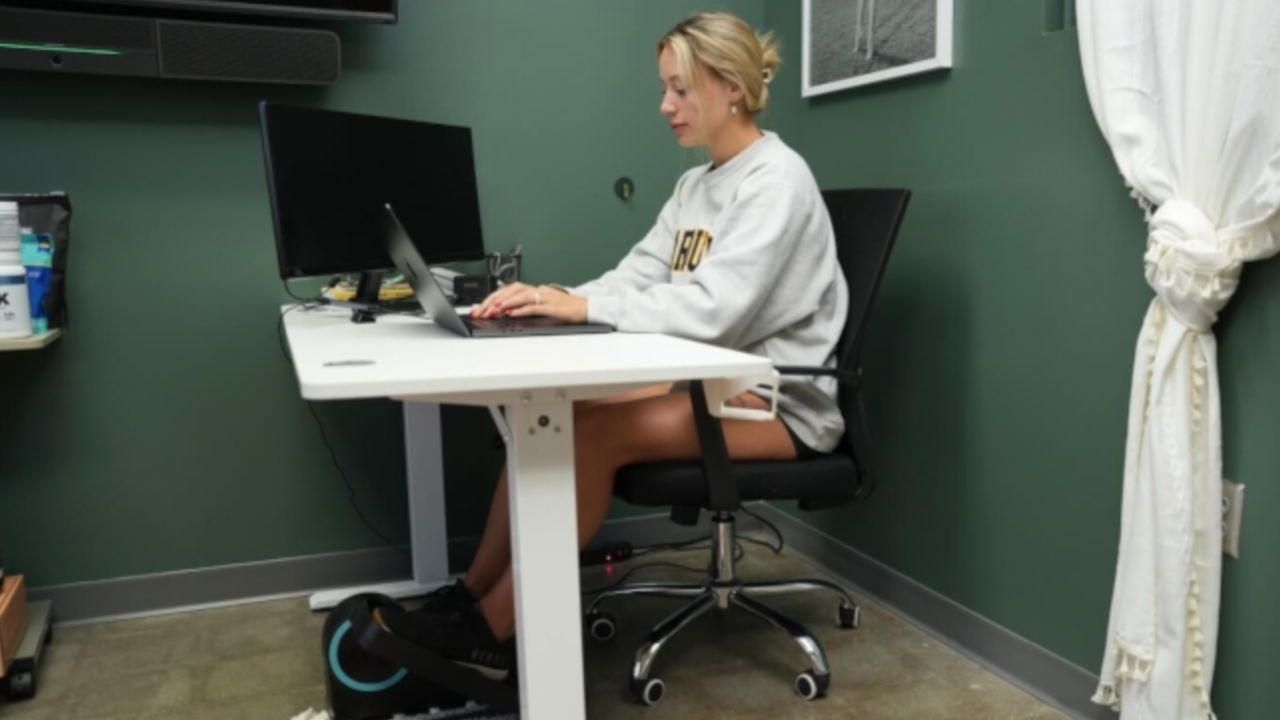
Among all quiet cardio equipment, under-desk bikes are usually the easiest to integrate into work routines.
Machines like the Lifepro Flexstride Plus are designed specifically around:
- low mechanical noise
- seated movement
- controlled resistance
- minimal vibration
Because the movement stays below the desk and doesn’t involve foot impact, the sound profile remains extremely contained.
The experience feels less like exercising and more like subtle movement happening underneath the workday.
This is what makes these systems sustainable for long periods.
Why Elliptical Movement Feels Different
The Cubii Move takes a slightly different approach.
Instead of cycling motion, it creates a small elliptical pattern.
The movement feels:
- smoother
- more circular
- slightly more full-body in rhythm
For some users, this feels more natural over long periods because it changes hip and leg movement slightly.
In terms of noise:
- still extremely controlled
- very low vibration
- minimal disruption in shared rooms
These systems are not designed for intense workouts. They are designed to reduce stillness.
Why Walking Pads Became Popular for Work
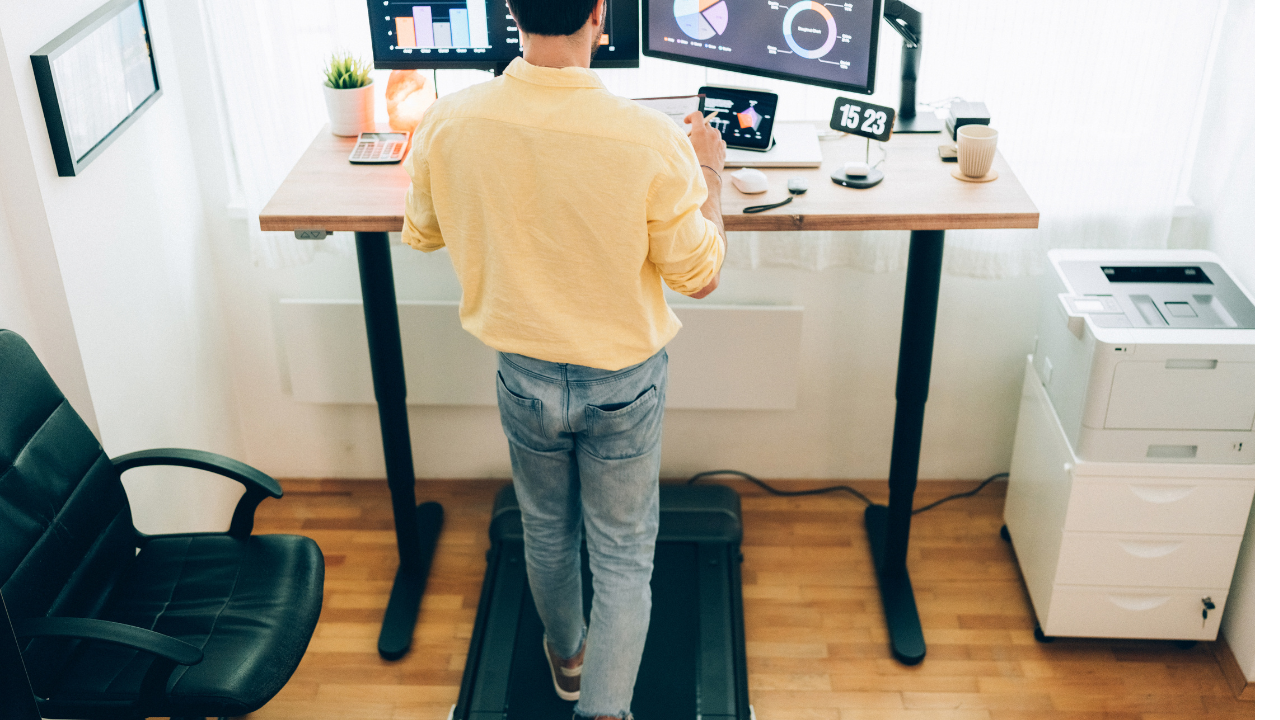
Some people struggle with seated movement for long periods and prefer the feeling of actual walking.
This is where walking pads entered the work-from-home conversation.
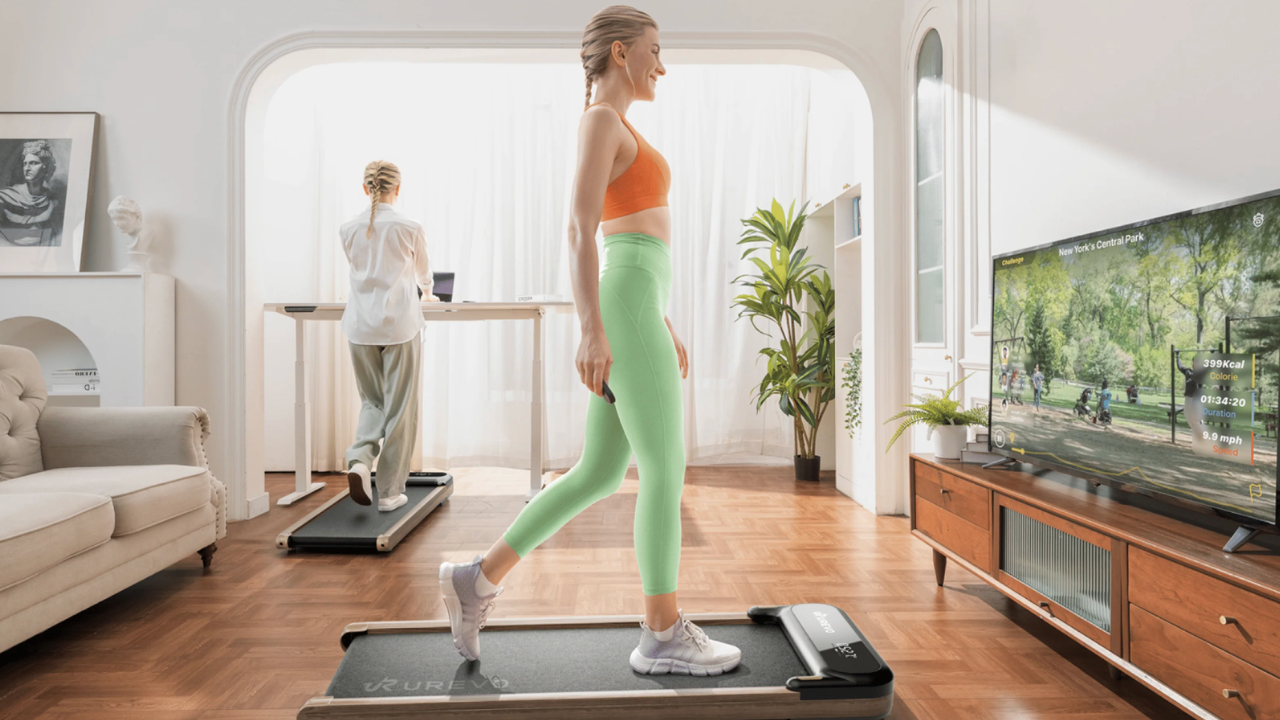
Machines like the UREVO Strol 2E Pro and the Lontek X5F Foldable Walking Pad allow slow movement while working at standing desks. See our current picks in quiet walking and apartment-friendly movement.
The appeal is obvious:
- more natural movement
- increased energy
- less sedentary feeling during long workdays
But walking introduces a trade-off:
- more sound
- more floor vibration
- more visible movement
Even quiet walking pads remain more noticeable than seated under-desk systems.
The Difference Between “Quiet” and “Work-Compatible”
This distinction matters.
Some machines are quiet enough for apartments but still awkward during focused work.
For example:
- steppers may create too much upper-body movement
- larger bikes may dominate the room visually
- treadmills may interrupt concentration rhythmically
Work-compatible cardio needs to disappear psychologically, not just acoustically.
You should be able to:
- answer emails
- join meetings
- stay mentally present
without constantly adjusting to the machine.
Why Low-Intensity Movement Often Works Better
A common mistake is trying to turn work hours into intense workout sessions.
In practice, sustainable movement during work tends to be:
- slower
- lighter
- more continuous
This is why quieter systems naturally work better.
They encourage:
- longer duration
- lower strain
- easier multitasking
The result is often more total movement over the course of the day, even if no single session feels intense.
The Psychological Advantage of Quiet Equipment
One of the biggest barriers to home cardio is self-consciousness.
If using the machine:
- changes the atmosphere of the room
- creates obvious noise
- draws attention to itself
…people often avoid using it altogether.
Quiet systems reduce that social friction.
You stop feeling like you’re “starting a workout” and start feeling like movement is simply part of the environment.
That shift matters more than many performance metrics.
What Actually Works in Shared Homes
In real-world environments, the best systems are usually the ones that:
- fit naturally into the workspace
- don’t require setup rituals
- don’t interrupt others nearby
For many people, that means:
- under-desk bikes during focused work
- walking pads during calls or lower-focus tasks
- short active sessions separately when needed
The more flexible the movement system feels, the more likely it is to become consistent.
Why Space Still Matters
Quietness alone is not enough.
A machine can be silent and still feel impossible to live with if it permanently takes over the room.
This is why compact systems continue growing in popularity.
The WalkingPad R2, for example, solves not only for movement but for storage.
When equipment can disappear after use, the workspace feels less consumed by fitness.
That balance matters in smaller homes.
The Shift Away From “Workout Culture”
Work-from-home movement has slowly changed the philosophy behind home cardio.
The goal is less about:
- maximum performance
- aggressive training
- pushing intensity constantly
…and more about:
- reducing inactivity
- maintaining energy
- creating sustainable daily movement
Quiet cardio systems fit this shift naturally because they are designed around integration rather than disruption.
What You Should Prioritize
If your primary goal is movement during work hours, the best equipment is usually the one that:
- creates the least friction
- stays mentally unobtrusive
- fits the space naturally
- feels easy to start without preparation
That often leads people toward:
- under-desk bikes
- compact ellipticals
- controlled walking systems
not traditional gym-style machines.
Final Perspective
The quietest way to exercise while working from home is usually the method that blends into the day instead of competing with it.
That doesn’t necessarily mean the machine is silent.
It means the movement:
- feels manageable
- coexists with work
- doesn’t take over the room or the schedule
That’s what makes it sustainable.
Bottom Line
For most work-from-home environments, low-impact cardio systems like under-desk bikes, compact ellipticals, and quiet walking pads create the best balance between movement and usability.
The most effective setup is rarely the most intense.
It’s the one that allows movement to happen consistently without interrupting the rest of your life.