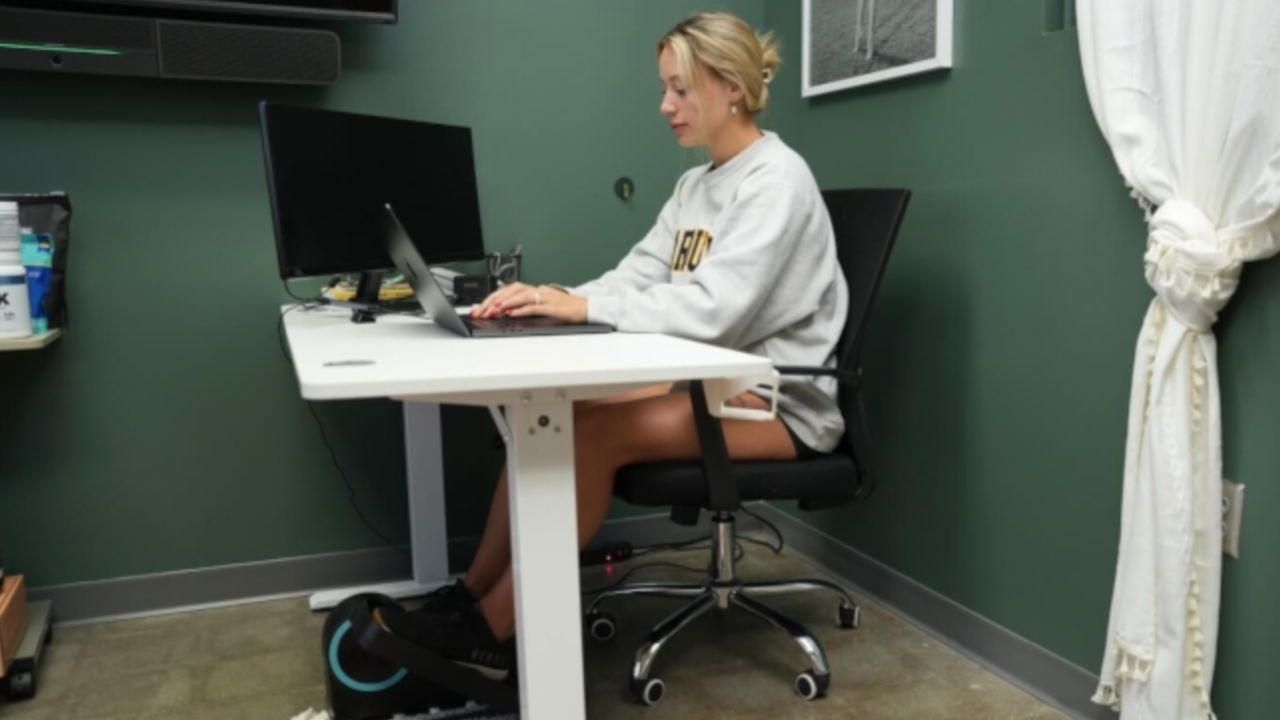
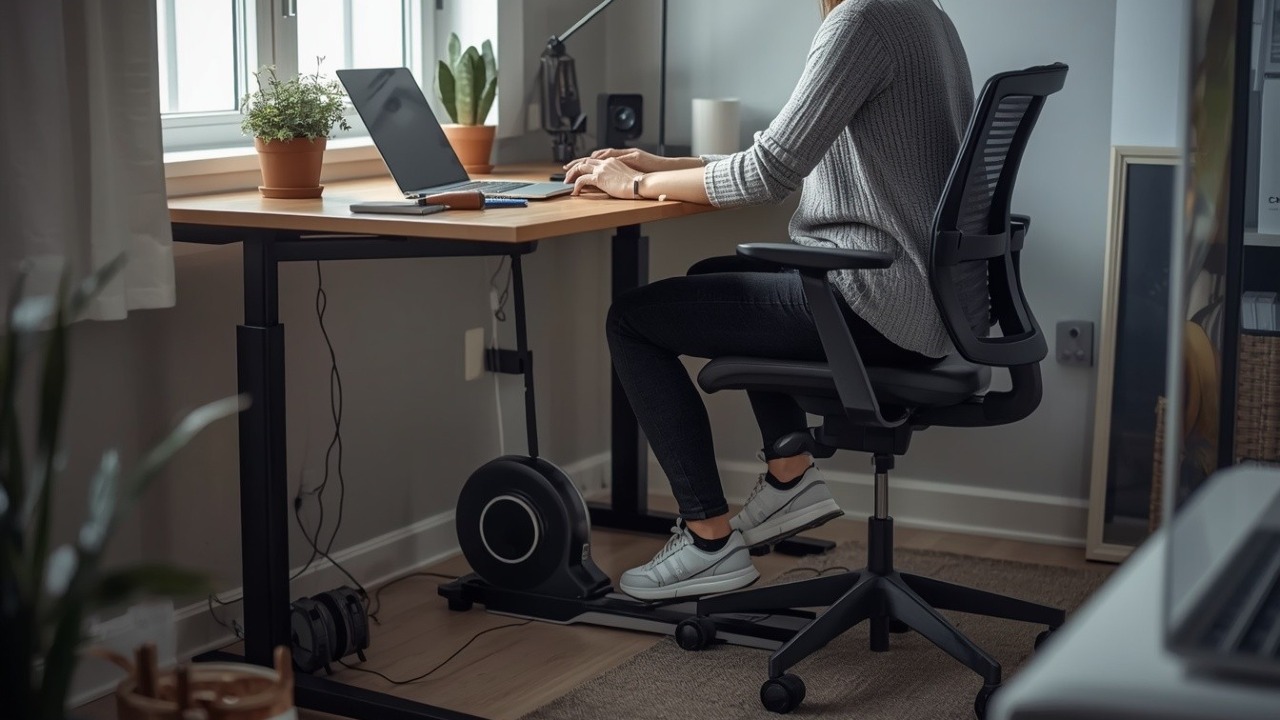
Not everyone wants to stand at a desk or squeeze a full treadmill into the living room just to stay active. The Cubii Move is a compact under‑desk elliptical designed so you can pedal gently while you work, watch TV or read, without needing to change your setup or make much noise.
This guide looks at how the Cubii Move performs as a quiet, low‑impact option for flats, shared homes and home offices, using manufacturer specifications and third‑party reviews to focus on noise, comfort and day‑to‑day practicality.
QuietFit Lab Snapshot
- Noise level: Very quiet
- Apartment-friendly: Yes
- Vibration level: Very low
- Small-space fit: Excellent
- Best for: Seated movement while working or relaxing
- Not ideal for: Intense cardio or full-body training
- Cubii Move is marketed as whisper-quiet with low-impact seated elliptical motion, which makes it one of the clearest fits for a high apartment-friendly rating.
QuietFit Lab uses affiliate links. If you buy through the links on this page, we may earn a small commission at no extra cost to you. This helps support the site and keeps our reviews independent. As an Amazon Associate, QuietFit Lab earns from qualifying purchases.
See the Cubii Move under desk elliptical on Amazon.co.uk
See the Cubii Move under desk elliptical on Amazon.com
At‑a‑glance verdict
- Best for: Gentle, seated movement while working or relaxing, especially in small or shared spaces.
- Not ideal for: High‑intensity workouts, people wanting full‑body training from one machine.
- Noise: Marketed as whisper‑quiet and designed for silent pedalling in quiet environments.
- Footprint: Compact, under‑desk format that fits under many desks or in front of a sofa.
Overall, the Cubii Move is a good fit for people who want to keep their legs moving during long sitting spells without disturbing others or turning the room into a gym.
Key features and specs
(Use these unless your retailer page lists slightly different figures.)
- Low‑impact seated elliptical motion aimed at joints, knees and back‑friendly exercise.
- 6 levels of manually adjustable resistance to increase or decrease effort.
- Whisper‑quiet, smooth pedalling designed for quiet environments like offices and living rooms.
- Built‑in LCD display showing stride count, distance, time and estimated calories.
- Access to the Cubii app with manual data entry and 300+ guided classes.
- Weight: around 7.9–8 kg, lighter than some other Cubii models for easier moving.
- Dimensions: roughly 55 x 50 x 25 cm (check your retailer for the exact figures).
- Designed to sit fully under or slightly in front of a standard desk for seated use.
CUBIL’s own site and different Amazon regions give slightly different measurements and power ratings for the Cubil Move, so QuietFit Lab uses realistic ranges based on overlapping data rather than relying on a single number. (Use these unless your specific retailer page lists slightly different figures.)
Noise and “quiet factor”
Cubii markets the Move as whisper‑quiet exercise equipment, and retailer descriptions emphasise silent or very quiet pedalling suitable for offices and shared rooms. Because there is no large motor or belt, the main sounds are the internal resistance system and the pedals moving, which are typically described as low and unobtrusive.
As with any mechanical device, some units may develop squeaks over time, particularly if dust reaches moving parts. Cubii support documents recommend cleaning and light lubrication if extra noise appears, which is worth bearing in mind for long‑term use.
Comfort, joints and who it suits physically
The Cubii Move uses a smooth elliptical motion aimed at strengthening legs and improving mobility without stressing knees or hips in the way some upright machines can. That makes it especially relevant for seniors, people returning from some injuries (under medical advice), or anyone who wants a joint‑friendly way to keep moving while seated.
Unlike a bike, the pedals move in an elliptical path that keeps feet relatively low and forward, which can feel more natural under a desk and may reduce knee lift compared with some pedal exercisers. Six resistance levels give room to start easy and gradually increase effort as fitness improves.
See the Cubii Move under desk elliptical on Amazon.co.uk
See the Cubii Move under desk elliptical on Amazon.com
Under‑desk and small‑space use
The Move is designed specifically for under‑desk and seated use. Its footprint and height are chosen so it can slide under many desks or sit just ahead of the chair for use while watching TV. At around 8 kg, it is light enough to move between rooms without too much effort, which helps if you want to use it both in a home office and in the living room.
Because it is self‑powered and does not require a wall outlet during use, it can be placed wherever there is enough floor space and legroom. This makes it a realistic choice for flats, shared houses and small offices where noise and space are both concerns.
Pros
- Designed to be very quiet, suitable for offices and shared living spaces.
- Low‑impact elliptical motion that is gentle on joints, knees and back.
- Compact format that fits under many desks and in front of sofas.
- Six resistance levels to scale effort from light movement to more noticeable exercise.
- Built‑in LCD plus Cubii app access for tracking and guided sessions.
- Lighter than some other Cubii models, making it easier to relocate.
Cons
- Seated‑only design; it does not replace a full standing cardio workout.
- Upper‑body involvement is limited compared with full‑size ellipticals.
- Some users report occasional squeaks over time, which may require simple maintenance.
- Resistance range is aimed at gentle to moderate effort rather than intense training.
Who the Cubii Move is best for
The Cubii Move is likely to suit:
- People who sit for long periods at a desk and want to add movement without leaving their chair.
- Flat and apartment dwellers who need a quiet, compact cardio option.
- Seniors or users who prefer low‑impact, joint‑friendly exercise while seated.
- Anyone who likes tracking stats and using light guidance via the Cubii app, rather than complex gym equipment.
It is less suitable for users seeking high‑intensity cardio, full‑body training from a single machine, or workouts that feel similar to running or cycling.
Where to buy
See the Cubii Move under desk elliptical on Amazon.co.uk
See the Cubii Move under desk elliptical on Amazon.com
The Cubii Move is commonly available from:
- Cubii’s own website and regional stores.
- Major retailers and medical/fitness suppliers that stock under‑desk ellipticals.
Always check the product name (“Cubii Move”) and specifications such as resistance levels, dimensions and weight before buying, as Cubii also sells other models like the JR2 and Go with different features.
Articles related to listings

Why Most Treadmills Feel Too Loud for Apartments
A treadmill can sound completely reasonable in a showroom and completely different at home.

The Quietest Way to Exercise While Working From Home
“How do I move during the day without interrupting work, noise levels, or the people around me?” That question is what created an entirely different category of home cardio. Not performance-focused cardio. Quiet, integrated movement.
How to Reduce Noise From Home Workout Equipment in Apartments
Trying to make your home workouts quieter? Learn how to reduce treadmill, walking pad, bike, and stepper noise in apartments and shared spaces with practical setup and equipment strategies

Best Quiet Cardio Machines for Apartments (That Won’t Disturb Other People)
Compare the best quiet cardio machines for UK flats and apartments — walking pads, under-desk bikes, magnetic recumbents and mini steppers ranked by noise.
Similar listings in category
Explore More
Cubii JR1 Under‑Desk Elliptical – Quiet Seated Elliptical for Small Spaces
Not everyone wants to stand at a desk or bring home a full‑size treadmill to stay active. The Cubii JR1 Under‑Desk Elliptical is built for exactly those situations: a compact, seated elliptical trainer with smooth magnetic resistance, multiple effort levels and a simple LCD display, designed to keep your legs moving quietly in flats, shared homes and home offices.
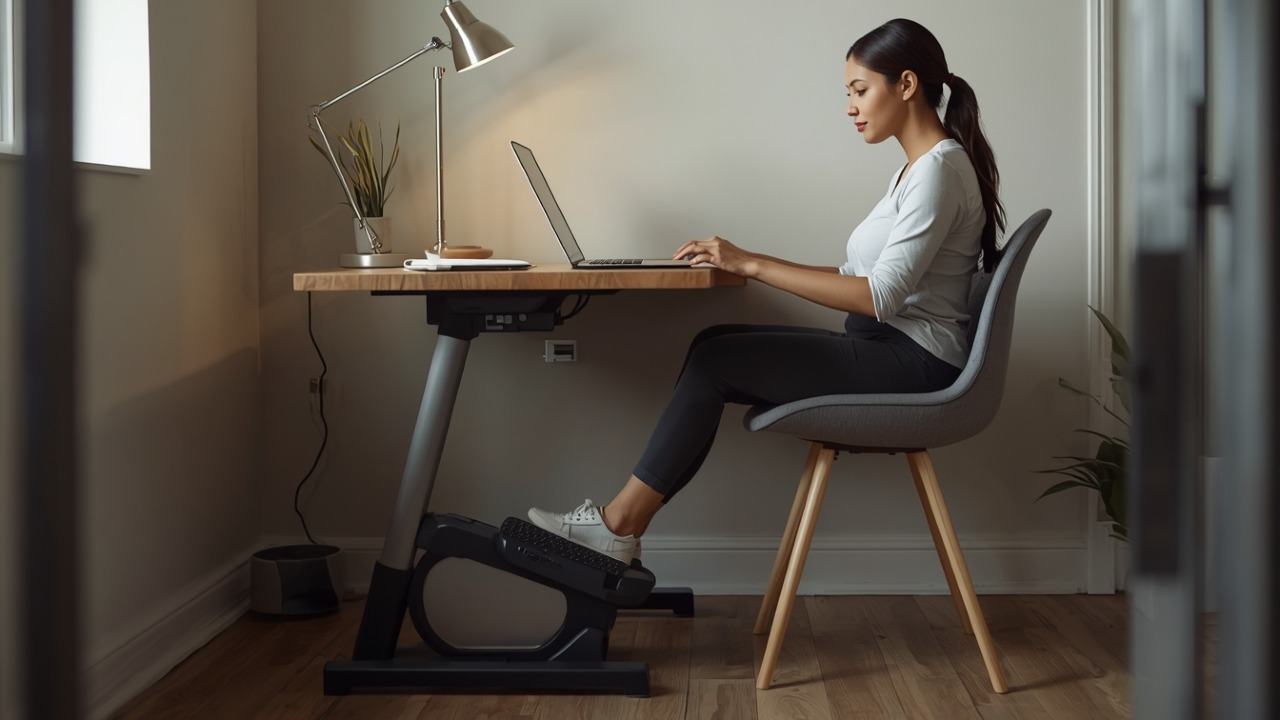
LifePro FlexStride Plus Under‑Desk Elliptical – Quiet Seated Cardio for Small Spaces
Independent review of the LifePro FlexStride Plus under‑desk elliptical, a quiet low‑impact cardio machine for apartments, shared spaces and desk workouts, with compact design and adjustable resistance for smooth seated exercise.
MERACH Under Desk Elliptical Machine for Home, Electric Elliptical Machine
Quiet, compact under‑desk elliptical for seniors and home workers, with 12 speed levels and remote control, designed for low‑impact seated leg workouts in small apartments and home offices.