Around 9 PM is when a lot of people workout.
But the problem is, the building gets quieter. Conversations soften. TVs lower. You suddenly become aware of every repeated sound in the room—the treadmill belt, the foot placement, the subtle vibration through the floorboards.
What felt manageable in the middle of the day starts feeling much louder once everything around it settles down.
That’s usually the moment people start adjusting their routines. Some stop using certain machines at night altogether. Others lower speeds, shorten sessions, or move workouts earlier. A surprising number eventually start looking for quieter equipment entirely.
The problem is rarely motivation.
It’s the feeling that your movement is taking over the room.
QuietFit Lab uses affiliate links. If you buy through the links on this page, we may earn a small commission at no extra cost to you. This helps support the site and keeps our reviews independent.
Why Apartment Noise Feels Different at Night
A machine doesn’t need to be objectively loud to feel intrusive in an apartment.
In quieter environments, repetition becomes amplified psychologically. The brain starts locking onto patterns:
- footsteps
- belt rotations
- pedal rhythms
- floor vibration
The same walking pad that feels perfectly reasonable at 2 PM can suddenly feel overwhelming late in the evening.
Part of reducing workout noise is understanding that context changes perception.
Most Noise Problems Aren’t Coming From the Motor
People often assume the machine itself is the main issue.
Usually, it isn’t.
In apartments, the biggest sources of disturbance tend to be:
- impact transfer
- floor vibration
- uneven movement
- repetitive rhythms
That’s why two people can use the same equipment and create completely different experiences for neighbors or roommates.
The machine matters, but how the movement interacts with the room matters more.
The Floor Is Part of the Sound System
One of the biggest mistakes people make is placing cardio equipment directly onto hard flooring without any buffering underneath.
Wood and tile don’t absorb movement well. They reflect it.
A walking pad or bike may sound relatively controlled in the room itself while simultaneously transferring vibration downward through the structure of the building.
Even compact systems like the UREVO SpaceWalk E4W can feel significantly louder on hard surfaces compared to padded flooring.
This is why workout mats make such a noticeable difference.
Not because they eliminate noise entirely, but because they interrupt vibration before it spreads.
The Simplest Change Usually Helps the Most
People often look for complicated solutions first.
In reality, the biggest improvement usually comes from:
reducing impact
That can mean:
- slower walking speeds
- softer footwear
- smoother pedaling cadence
- shorter stride length
Small movement adjustments often reduce perceived noise more than changing equipment entirely.
This is especially true with walking systems.
Why Walking Pads Sound Different Than Treadmills
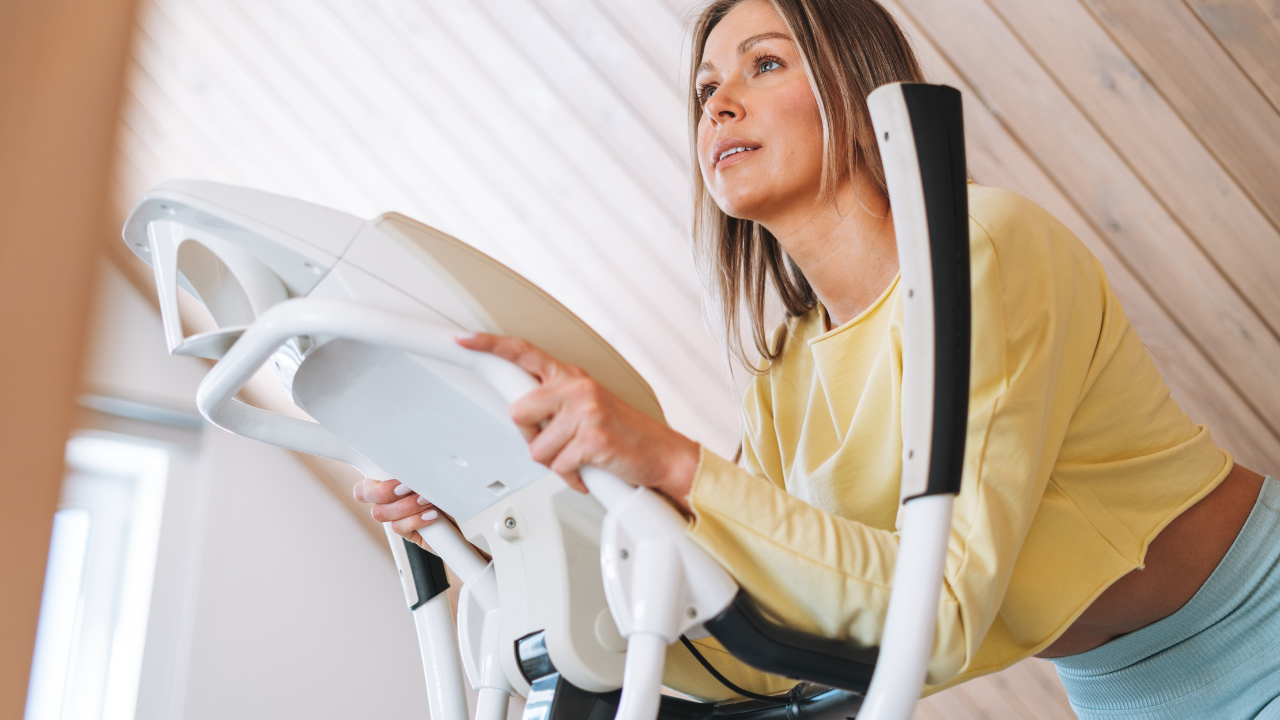
Traditional treadmills are built around running mechanics. Walking pads are built around controlled movement.
That difference changes:
- speed ranges
- motor intensity
- frame structure
- expected impact levels
Machines like the WalkingPad R2 are quieter partly because they are designed around walking as the maximum activity—not an alternative mode.
The entire system becomes calmer:
- softer pacing
- lower force
- steadier rhythm
That predictability matters in apartment environments.
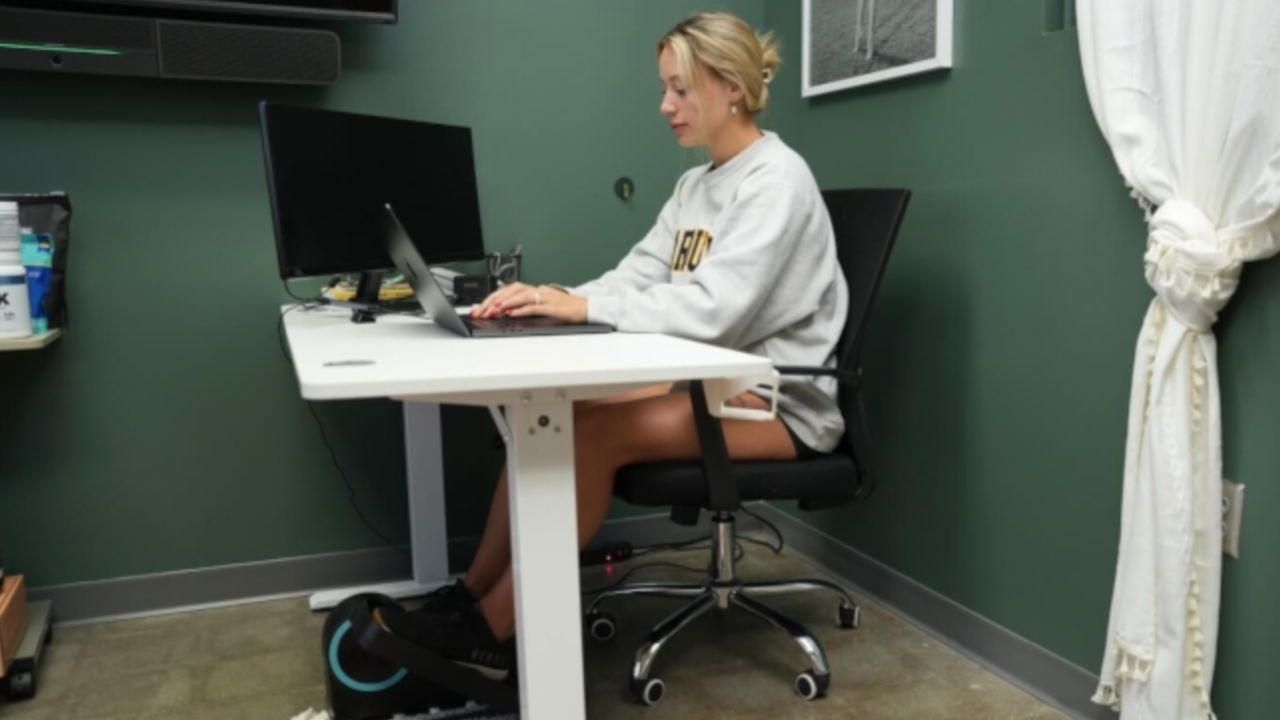
Under-Desk Bikes Solve a Different Problem
Some apartment users eventually realize they don’t actually need walking specifically.
They just need movement that doesn’t dominate the room.
This is where under-desk systems become appealing.
The DeskCycle 2 reduces noise by removing impact almost completely.
No footsteps means:
- minimal floor vibration
- fewer sound spikes
- less awareness from people nearby
The movement becomes background activity rather than an event happening in the room.
That subtlety is why seated systems often work so well in shared spaces.
Loose Equipment Gets Louder Over Time
A machine that starts quiet can gradually become more noticeable.
Usually this comes from:
- loose bolts
- belt misalignment
- uneven footing
- worn resistance components
Small mechanical inconsistencies create tiny sound variations that become surprisingly noticeable in quiet rooms.
Basic maintenance matters more in apartments because even small noises stand out more clearly.
Placement Changes More Than People Expect
Where equipment sits inside the room affects sound significantly.
For example:
- corners often amplify vibration
- hollow flooring transfers movement more easily
- placing equipment directly above bedrooms creates more sensitivity
Sometimes moving a machine a few feet changes the experience more than upgrading the equipment itself.
This is particularly true for walking pads and steppers.
Why Magnetic Resistance Became So Popular
Magnetic resistance systems became dominant partly because they create smoother sound profiles.
Bikes like the YOSUDA Magnetic Exercise Bike avoid the rubbing sounds associated with friction resistance systems.
Instead of resistance pads physically touching the wheel, magnetic systems create resistance indirectly.
The result feels:
- smoother
- more stable
- less mechanically noticeable over time
In apartments, smoother sound matters more than aggressive performance.
The Quietest Machines Usually Look Less Impressive
This is something many people notice only after trying larger cardio equipment.
The machines that integrate best into apartment life are often:
- slower
- smaller
- less intense visually
Not because they are ineffective, but because they are designed around coexistence rather than spectacle.
The Cubii Move is a good example of this philosophy.
It doesn’t look like a gym machine. It looks manageable.
That feeling is part of why people keep using it.
There’s a Psychological Side to Noise Too
Once someone becomes worried about disturbing others, workouts start feeling mentally heavier.
People hesitate before starting.
They:
- avoid certain times of day
- shorten sessions
- stop using the equipment altogether
The best quiet cardio setups remove that tension.
Not by becoming silent, but by staying within the normal rhythm of the home.
When It Makes Sense to Change Equipment
Sometimes the issue isn’t the setup. It’s the machine itself.
If equipment consistently:
- shakes the floor
- creates sharp impact
- feels too aggressive for the room
…it may simply not fit the environment.
This is why apartment-focused cardio categories have grown so quickly:
- walking pads
- under-desk bikes
- compact ellipticals
- magnetic resistance systems
They’re designed around environments where people share walls and floors.
What Actually Matters Most
People often search for “silent” workout equipment.
What they usually need is:
equipment that doesn’t interrupt life around it
That’s different.
A manageable machine is one that:
- blends into the room
- feels predictable
- doesn’t create stress around timing or use
That balance matters more than absolute decibel levels.
Final Perspective
Reducing workout noise in apartments is less about eliminating sound completely and more about controlling how movement behaves inside the space.
The quieter setups tend to share the same philosophy:
- lower impact
- smoother motion
- predictable rhythm
- easier coexistence with daily life
That’s why they continue replacing traditional home gym equipment in smaller living spaces.
Bottom Line
The most effective way to reduce home workout noise is usually a combination of:
- lower-impact equipment
- better floor isolation
- smoother movement patterns
- realistic expectations about shared living environments
Because in apartments, the best workout equipment is rarely the loudest or most powerful.
It’s the equipment that allows movement to happen without changing the feeling of the entire home.