A treadmill can sound completely reasonable in a showroom and completely different at home.
Part of that is expectation. In stores, gyms, or videos online, treadmills exist in spaces already filled with movement and background noise. At home, especially in apartments or shared living spaces, sound behaves differently. Rooms are quieter. Floors are thinner. Repetition becomes more noticeable.
What surprises most people is that the issue usually isn’t the motor itself.
It’s the combination of impact, vibration, and rhythm.
That’s why many people who genuinely want to move more indoors end up avoiding the equipment they bought. The machine technically works, but it changes the feeling of the space too much to use comfortably.
The problem isn’t fitness. It’s friction.
QuietFit Lab uses affiliate links. If you buy through the links on this page, we may earn a small commission at no extra cost to you. This helps support the site and keeps our reviews independent.
The Difference Between “Loud” and “Disruptive”
People often use these words interchangeably, but they’re not the same thing.
A treadmill doesn’t have to be extremely loud to feel disruptive.
In apartments, what people notice most is often:
- repetitive foot impact
- vibration through floors
- uneven pacing sounds
- changes in rhythm
Even relatively moderate noise becomes more noticeable when it repeats consistently for long periods.
This is why some machines measure reasonably well in noise tests but still feel difficult to live with in real-world environments.
Why Running Changes Everything
The biggest shift happens when movement becomes impact-based.
Walking distributes weight gradually. Running introduces force.
That force travels:
- through the treadmill frame
- into the floor
- across nearby surfaces
In detached homes, this may not matter much. In apartments, especially upper floors, it changes the entire experience.
This is one reason walking pads became popular. They remove the running component entirely and stay within lower-impact movement ranges.
Machines like the WalkingPad R2 and the UREVO SpaceWalk E4W are designed around controlled walking rather than high-speed training.
That design decision affects sound more than most specifications do.
The Motor Is Usually Not the Main Problem
People tend to focus on motor noise because it’s the most obvious sound at first.
But modern walking systems are often relatively controlled mechanically. The louder issue is usually the human side of the movement.
Every step creates:
- impact
- vibration
- shifting pressure
That movement transfers differently depending on:
- flooring
- body weight
- walking style
- speed
Two people using the same treadmill can create completely different noise experiences.
Why Smaller Spaces Amplify the Feeling of Noise
In compact apartments, sound has fewer places to disappear.
A machine in a small room feels more present because:
- walls are closer
- ceilings are lower
- surrounding sound is limited
This creates an environment where repetitive movement becomes more noticeable than it would in a larger home.
The treadmill isn’t necessarily louder. The room simply contains the sound differently.
Why Quiet Walking Pads Feel Different
Walking pads reduce friction in multiple ways at once.
Compared to full treadmills, they typically:
- operate at lower speeds
- use smaller motors
- encourage softer foot placement
- reduce frame size and vibration
The result is not silence, but containment.
The movement feels calmer.
This is why machines like the Egofit Walker Pro M1 behave differently from standard treadmills. They are designed around short-stride walking in tight spaces rather than performance training.
The goal is coexistence, not intensity.
Why “Apartment-Friendly” Often Means Slower
There’s a reason most apartment-friendly cardio equipment focuses on lower-intensity movement.
The slower the movement:
- the less impact transfers into the floor
- the easier the rhythm blends into normal life
- the less the machine dominates the room
This is one of the biggest mindset shifts people make when adapting workouts to shared spaces.
Instead of asking:
“What’s the hardest workout I can do at home?”
The better question becomes:
“What movement can I realistically repeat consistently here?”
That changes equipment choices completely.
The Hidden Problem With Traditional Home Fitness Advice
Most fitness recommendations are built around effectiveness first.
They focus on:
- calorie burn
- intensity
- workout efficiency
But in apartments, usability matters just as much.
A machine that delivers an incredible workout but feels too disruptive to use regularly often becomes irrelevant over time.
This is why quieter movement systems tend to create more consistency. They lower the mental resistance around starting.
You stop negotiating with the environment every time you want to move.
How Under-Desk Cardio Changed the Conversation
Under-desk systems shifted the idea of what cardio could look like indoors.
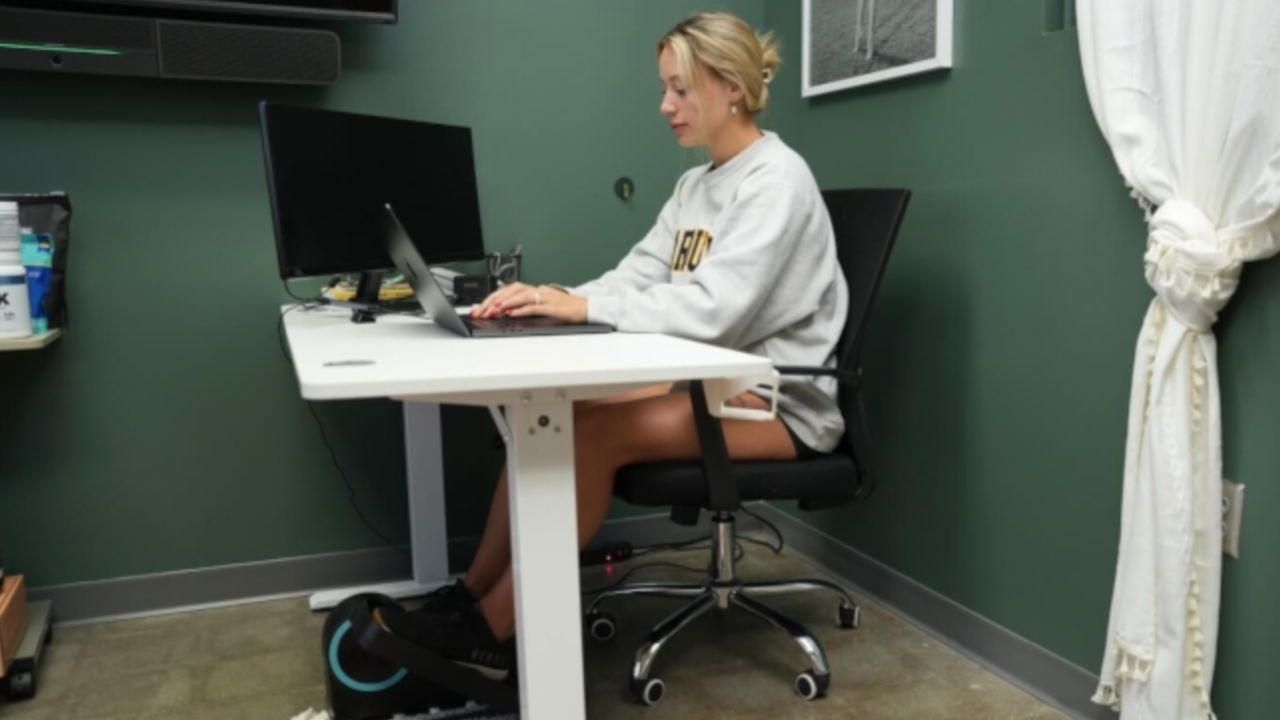
Machines like the DeskCycle 2 and the Cubii Move avoid the biggest treadmill issue entirely:
Impact.
No foot strike means:
- almost no floor vibration
- minimal structural transfer
- more stable sound levels
The trade-off is intensity. These machines are quieter partly because the movement itself is smaller and more controlled.
But for many people in shared spaces, that trade-off is worth it.
Why Some People Prefer Seated Cardio Instead
There’s also a category of users who want more structured exercise without returning to high-impact movement.
This is where magnetic resistance bikes fit into the picture.
Machines like the YOSUDA Magnetic Exercise Bike or the Sunny Magnetic Recumbent Bike create cardio through rotational movement rather than impact.
That changes the sound profile significantly.
Instead of repeated foot strikes, you get:
- controlled mechanical motion
- steady resistance
- low vibration compared to treadmills
They still occupy space visually, but acoustically they tend to integrate more smoothly into apartment environments.
What Actually Makes a Machine Feel “Livable”
This is the part many specifications miss.
A machine becomes livable when:
- you don’t hesitate to use it
- it doesn’t change the mood of the room
- it fits naturally into the timing of the household
That feeling matters more than small technical differences.
People tend to keep using equipment that feels easy to coexist with.
How to Reduce Treadmill Noise at Home
Even if you already own a treadmill or walking pad, a few changes can improve the experience significantly.
Use a proper mat
This helps absorb vibration before it reaches the floor.
Keep speeds realistic
Higher speeds create exponentially more impact.
Pay attention to placement
Corners and thin flooring amplify sound differently.
Maintain the machine
Loose belts and uneven alignment create unnecessary mechanical noise.
None of these remove sound completely, but together they make movement feel much more manageable indoors.
Why Walking Pads Became a Lifestyle Product, Not Just Fitness Equipment
The rise of walking pads isn’t only about exercise.
It reflects a change in how people live.
More people:
- work from home
- live in smaller spaces
- share rooms or walls
- want movement integrated into daily life
Traditional cardio equipment was built for dedicated workout environments. Walking pads were built for overlap.
That difference is why they feel more usable for many apartment dwellers.
Final Perspective
Most treadmills feel too loud for apartments because they were never designed around apartment living in the first place.
They were designed around performance.
Quiet cardio systems work differently. They prioritize:
- controlled movement
- predictable sound
- low disruption
- sustainability inside shared environments
That changes not only how the equipment sounds, but how often it realistically gets used.
Bottom Line
The quietest home cardio setups are usually the ones that reduce impact, simplify movement, and fit naturally into everyday life.
For apartment living, the best machine is rarely the most powerful.
It’s the one that allows movement to happen consistently without making the entire room revolve around it.