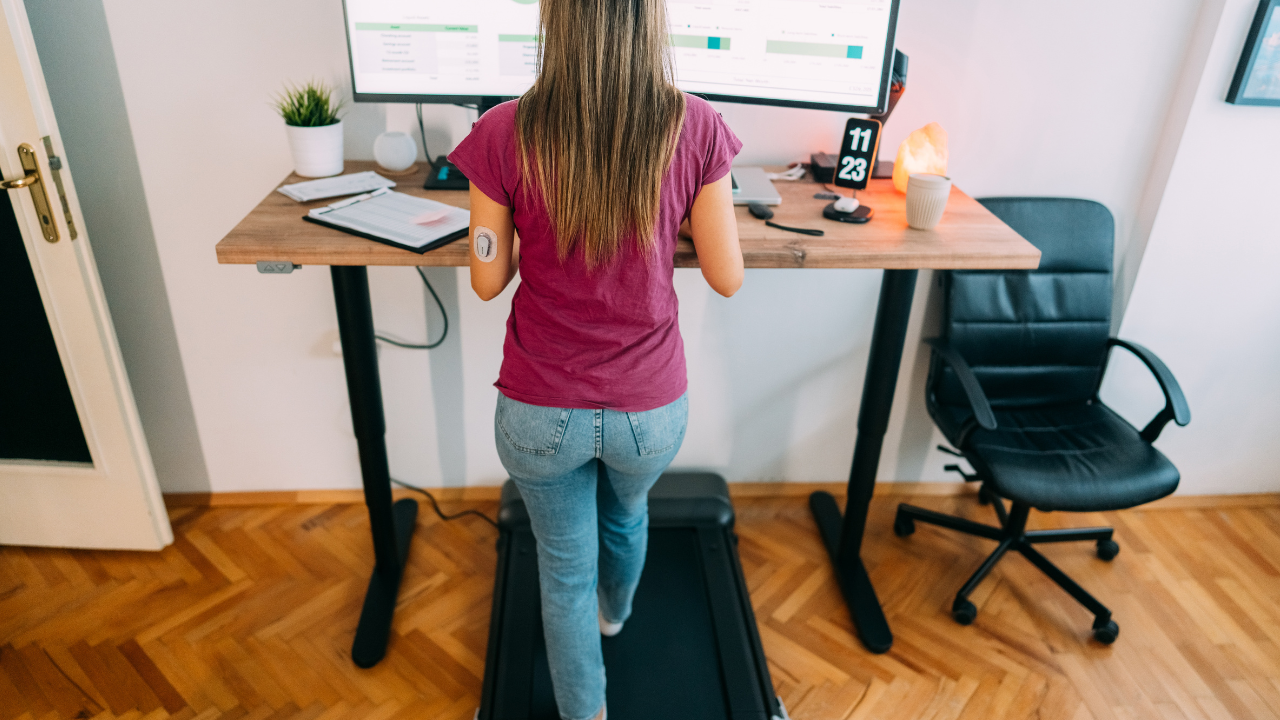
On paper, walking pads and under-desk bikes seem like they solve the same problem.
Both are designed for movement indoors.
Both are marketed toward smaller spaces.
Both promise quieter alternatives to traditional cardio equipment.
But once they enter a real apartment, the differences become much more obvious.
One changes the room more than the other. One feels more natural physically. One disappears more easily into daily life.
The better option usually has less to do with fitness level and more to do with how the machine fits into the environment around it.
That’s the part most comparisons miss.
QuietFit Lab uses affiliate links. If you buy through the links on this page, we may earn a small commission at no extra cost to you. This helps support the site and keeps our reviews independent.
The Real Problem Isn’t Exercise
People living in apartments rarely struggle with understanding the value of movement.
The challenge is usually practical.
- Thin floors
- Shared walls
- Limited storage
- Work-from-home setups
- Other people nearby
These constraints change what “good cardio equipment” actually means.
A machine can deliver a great workout and still fail completely if it feels too disruptive to use consistently.
That’s why walking pads and under-desk bikes became popular in the first place. They reduce friction around movement.
They just reduce it in different ways.
Walking Pads Feel More Natural
The biggest advantage of walking pads is obvious almost immediately:
Walking is familiar.
Machines like the UREVO SpaceWalk E4W or the WalkingPad R2 recreate a movement pattern people already understand instinctively.
There’s no learning curve. No adjustment period.
You step on and walk.
For many people, this makes movement feel psychologically easier and physically more satisfying.
Walking also:
- engages more of the body naturally
- breaks up sedentary stiffness well
- feels mentally refreshing during workdays
This is one reason walking pads often feel more energizing than seated cardio systems.
But Walking Changes the Room More
The trade-off is impact.
Even quiet walking creates:
- footsteps
- vibration
- movement through the floor
Well-designed walking pads control this significantly better than traditional treadmills, but they still introduce physical presence into the room.
You notice the movement more.
Other people notice the movement more.
That doesn’t make walking pads bad for apartments. It simply means they are not invisible.
Under-Desk Bikes Disappear More Easily
Under-desk bikes take the opposite approach.
Machines like the DeskCycle 2 reduce movement down to controlled seated pedaling.
That changes everything acoustically.
There are:
- no footsteps
- almost no floor vibration
- far less visible movement
The machine blends into the background much more easily.
In shared spaces, this often matters more than people expect.
You stop thinking about whether the machine is bothering someone else because the movement barely changes the atmosphere of the room.
The Difference Between “Natural” and “Practical”
This is where most apartment users end up choosing between the two systems.
Walking pads feel more natural physically.
Under-desk bikes feel easier practically.
Neither is objectively better.
It depends on which type of friction matters more in your environment:
- physical inactivity
or - disruption to the space around you
Why Work-From-Home Users Often Prefer Under-Desk Bikes
During focused work, under-desk bikes tend to integrate more smoothly.
Because the movement stays seated:
- typing feels easier
- concentration is less interrupted
- video calls feel more manageable
The Cubii Move pushes this even further with smooth elliptical motion that stays visually subtle.
Walking while working can feel energizing, but it also introduces more body movement overall.
Some people love this.
Others find it distracting during focused tasks.
Walking Pads Work Better for Dedicated Movement Time
Walking pads often work best when movement becomes the primary activity rather than background movement.
For example:
- walking during meetings
- watching videos
- taking movement breaks
- low-focus tasks
They create a stronger physical shift than under-desk systems, which many users enjoy.
The experience feels closer to intentionally moving rather than subtly staying active.
Noise Differences in Real Life
This is usually the deciding factor in apartments.
Under-desk bikes:
- lower overall sound
- minimal vibration
- almost no impact transfer
Walking pads:
- soft but repetitive footsteps
- more noticeable movement
- slight floor vibration depending on speed and flooring
In most apartments, both are manageable during daytime use.
But if the goal is the lowest possible disruption, under-desk bikes usually win.
Space Matters More Than Advertisements Suggest
Walking pads may look compact online, but they still require:
- walking clearance
- open floor space
- room to step on and off safely
Foldable systems like the WalkingPad R2 help significantly with storage, but they still occupy visual and physical space while in use.
Under-desk bikes generally integrate more cleanly into existing setups because:
- they fit below desks
- they stay seated
- they don’t require standing clearance
This difference becomes important in smaller apartments where every part of the room already serves multiple purposes.
The Energy Difference
The two systems also affect energy differently.
Walking tends to:
- increase alertness quickly
- feel mentally refreshing
- create stronger physical activation
Under-desk cycling tends to:
- feel calmer
- sustain movement longer
- blend into routine more quietly
Some people respond better to one than the other depending on how they work and live.
Why Many People Eventually Combine Both
Interestingly, people who stay consistent with home movement often stop treating these machines as competitors.
They use them differently.
For example:
- under-desk cycling during focused work
- walking pad sessions during breaks or calls
Each system fills a different role.
The bike minimizes disruption.
The walking pad restores natural movement.
Together, they reduce sedentary time in ways traditional workouts often fail to do consistently.
The Psychological Side of Apartment Fitness
This part matters more than most specifications.
People use equipment more when:
- it feels easy to start
- it doesn’t create tension in the room
- they don’t worry about disturbing others
A quieter machine often creates more consistency simply because it removes hesitation.
That’s why the “best workout” on paper is not always the machine people use most in real life.
What You Should Actually Choose
Choose a walking pad if:
- you want natural movement
- walking feels mentally energizing
- you have enough floor space
- moderate sound is acceptable
Choose an under-desk bike if:
- you prioritize quietness above all
- you work long hours seated
- you need minimal disruption
- shared-space compatibility matters most
Neither system is perfect.
They simply solve different apartment problems.
Final Perspective
Walking pads and under-desk bikes represent two different philosophies of indoor movement.
Walking pads try to recreate natural activity indoors.
Under-desk bikes try to integrate movement into life so smoothly that it barely changes the room at all.
The better option depends less on fitness goals and more on what your environment realistically allows.
Bottom Line
For small apartments, under-desk bikes usually create the least disruption, while walking pads provide the most natural movement experience.
The best choice is the one that fits both your body and the people living around you.