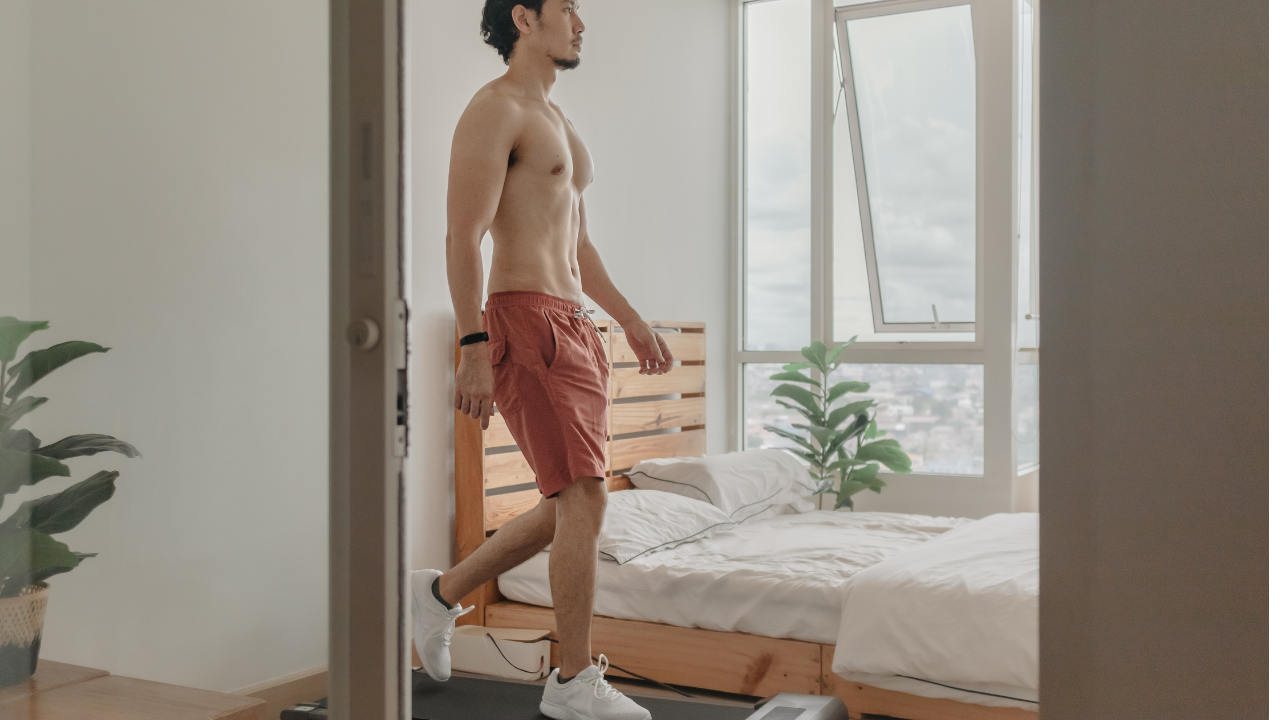
In shared homes and apartments, exercise equipment is rarely judged by performance first. It’s judged by how much it disturbs the space around it.
The MERACH Mini Stepper sits in that category of equipment designed for quiet use in close quarters. It creates a compact, standing cardio option that can be used in small spaces without requiring a dedicated room or isolating environment.
It is built for short, focused movement in situations where noise, space, and timing all matter.
Quick Snapshot
- Noise Level: Quiet (apartment-safe during the day)
- Apartment Friendly: Yes
- Vibration Level: Low to moderate
- Best For: Small-space cardio, shared homes, short movement sessions
For current pricing and availability, refer to the official retailer listing.
What It Feels Like to Use
The stepping motion is direct and controlled. Each step presses against hydraulic resistance, creating a consistent up-and-down rhythm.
Compared to seated machines, the body is more engaged immediately. The movement is more noticeable, but still contained and predictable.
Because of the standing position and resistance, it is most often used in short sessions rather than long continuous workouts. This makes it well suited for breaking up sedentary time without needing a full workout window.
Noise Experience (Key Factor)
For apartment use, this is the most important consideration.
The MERACH stepper uses a hydraulic system rather than a motor, which keeps sound levels relatively low. The noise produced is a soft mechanical compression with each step rather than sharp impact or vibration noise.
In practical terms:
- quiet enough for daytime use in most apartments
- not disruptive through standard walls or floors during normal use
- noticeable in very quiet environments if used at night
It is not silent, but it is controlled. The sound is consistent rather than intrusive, which matters more in shared living environments than raw volume alone.
Vibration & Floor Impact
Unlike seated or gliding machines, stepping creates vertical force with each movement.
This results in:
- light vibration on hard flooring
- reduced stability on uneven surfaces without a mat
- better performance when used with floor protection
Even so, it remains significantly more contained than treadmills or running-based equipment, which are typically unsuitable for shared housing.
Space & Integration
The stepper is compact and easy to store, making it suitable for homes where space is limited or shared.
However, it does not integrate into passive routines like under-desk equipment. It requires a short, dedicated use period rather than background movement during work.
It is best used in small windows of time where focus can shift briefly to movement and then return to daily activity.
Effectiveness in Quiet Environments
What makes this type of equipment relevant is not intensity, but consistency within constraints.
The stepper provides:
- short bursts of elevated heart rate
- leg engagement without needing outdoor space
- a way to move without leaving the home or disturbing others
In environments where noise limits activity options, it offers a middle ground between inactivity and full exercise sessions.
Who It’s Best For
This machine is designed for people who need movement options that respect shared living conditions.
It works well for:
- apartment residents with noise sensitivity concerns
- people living with roommates or family
- small-space living situations
- short, frequent movement breaks during the day
It is particularly useful for users who cannot rely on traditional gym-style equipment at home due to space or noise limitations.
Where It Falls Short
The trade-offs are clear and important for realistic expectations.
This is not a silent device and not suitable for:
- late-night use in very quiet homes
- working while exercising
- long continuous training sessions
It also introduces more physical load than seated machines, which may not suit users specifically looking for minimal effort movement.
Key Features (That Matter Here)
- Hydraulic resistance system for controlled stepping
- Compact footprint for small living spaces
- Non-electric operation (no motor noise)
- Optional resistance bands for added upper-body movement
Pros & Cons
Pros
- quiet enough for most apartment environments during the day
- compact and easy to store
- more effective cardio than seated machines in short sessions
- no electricity or setup required
Cons
- not silent
- produces light floor vibration
- requires standing use
- not suitable for multitasking or work use
How It Compares
Within a quiet-home setup, it sits in a distinct category:
- Under-desk ellipticals (Cubii) → near-invisible, passive movement
- Desk bikes → quiet seated cycling, longer-duration use
- Steppers → active, short bursts, more physical presence
It fills the gap between passive movement and full cardio equipment while still respecting noise constraints.
Final Take
The MERACH Mini Stepper is not designed to be silent or invisible. It is designed to stay usable within environments where silence matters.
It provides short, effective movement in spaces where traditional cardio equipment is too loud, too large, or too disruptive.
It works best as a controlled, contained option for adding activity into otherwise constrained living conditions.
Bottom Line
A practical choice for apartment-based cardio where noise and space are limiting factors.
It is not the quietest form of movement available, but it is one of the more effective options that still remains usable within shared living environments.